Estates & great houses · Saint-Paul
Domaine de Villèle
Once the property of the immensely wealthy Panon-Desbassayns family, this estate in the uplands (Hauts) of Saint-Paul is one of the most complete sites for understanding Réunion's plantation society, with no glossing over the reality of the slavery that kept it running.
Why it matters
An essential site for exploring together slavery, the plantation economy, colonial social hierarchies, domestic architecture and the changes that followed 1848.
History
The estate was built up by the Panon Desbassayns family from the second half of the 18th century. Museum records put the property at about 306 ha in 1780, 420 ha in 1791 and 492 ha in 1845. In 1845, 295 enslaved people worked on the estate. After abolition in 1848, more than 200 indentured labourers (engagés) replaced this workforce. Descendants of the de Villèle family lived on the property until 1973, when it was acquired to become a departmental museum.
Architecture
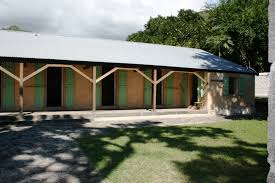
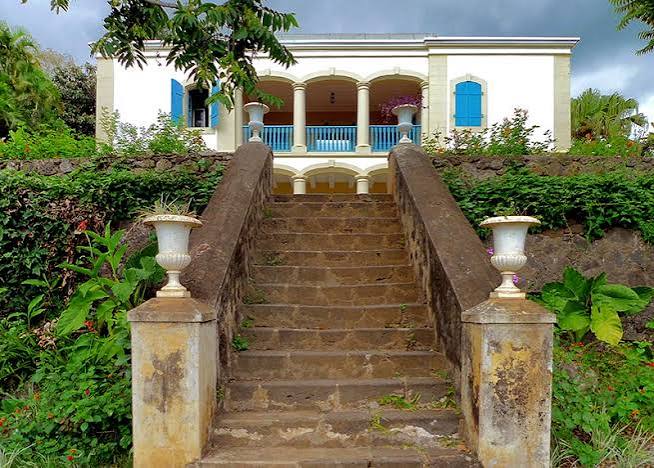
Perfectly preserved 18th-century master's house, neo-Gothic chapel, former slave hospital and remains of the sugar factory
Sources (2)
- https://www.musee-villele.re/fr/le-musee-de-villele-et-ses-collections
- https://www.musee-villele.re/fr/parcours-de-visite