Food
Réunion bouchons: Sino-Creole history and a family recipe
Réunion bouchons: their Chinese origins, the place of Sino-Réunionese cooking on Réunion Island and a family recipe for steamed pork bouchons.
6 min read
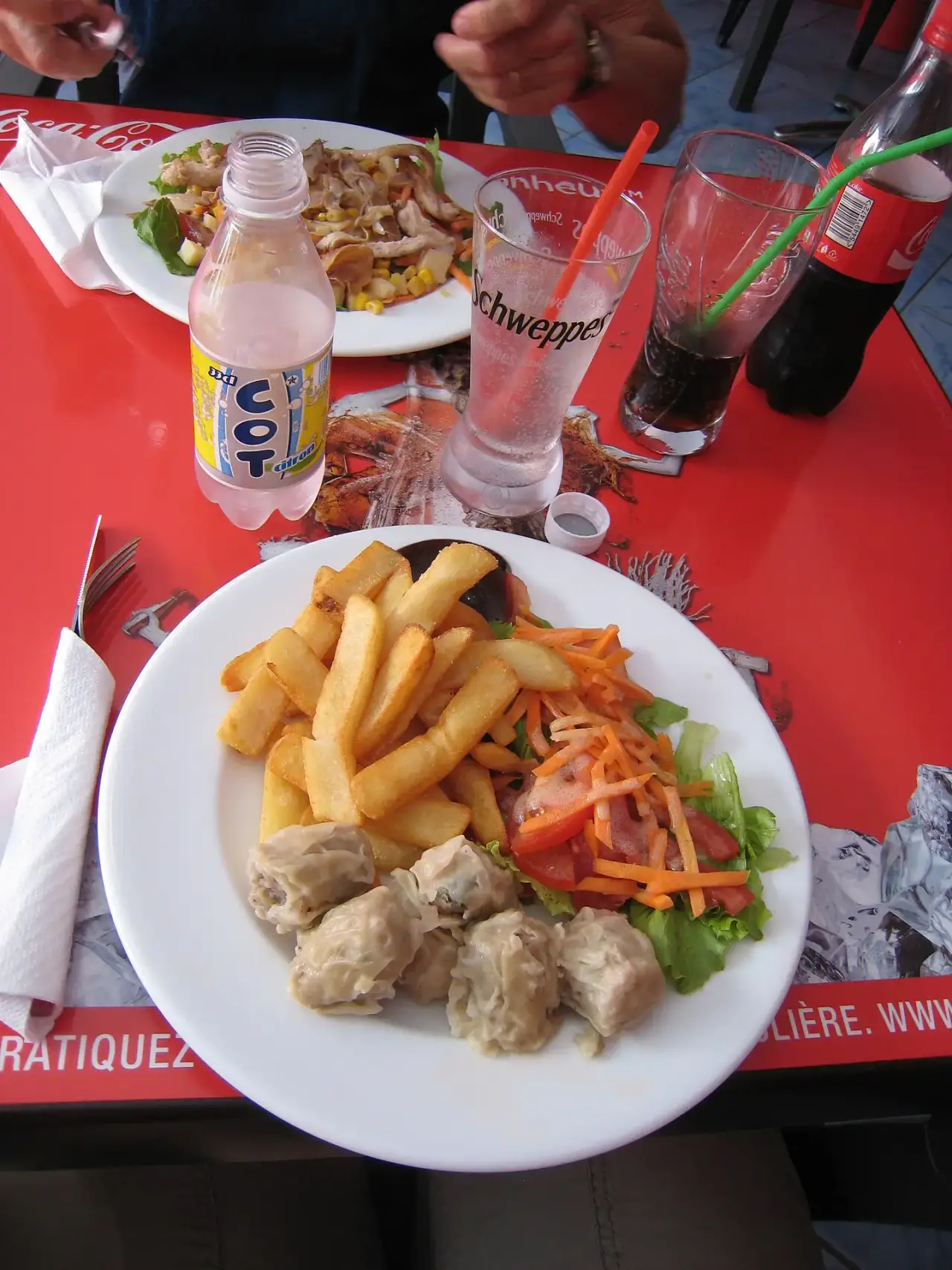
Réunion bouchons are small parcels of minced pork wrapped in thin dough and steamed, then dipped in soy sauce. A direct legacy of the Chinese cooking that arrived with immigrants, they are part of everyday life on Réunion, whether as an aperitif snack or in the famous pain bouchon. Here is their story, the place of Sino-Réunionese cooking on the island and a family recipe to make them at home.
Where do Réunion bouchons come from?
The bouchon is a dumpling of Chinese origin filled with minced meat. Encyclopaedias liken it to shumai (or siu mai), the open-topped dumpling served in dim sum restaurants. On Réunion it has become a classic the whole island has adopted, to the point that many Réunion islanders simply think of it as a plat péi (a local dish).
Its arrival followed that of Chinese migrants. According to Wikipedia, indentured labourers (engagés) from the Chinese community of Malaysia landed as early as 1844, followed by Cantonese speakers arriving from Mauritius from the 1850s. Hakka families settled at the end of the 1880s, mainly in the South, in Saint-Pierre and Le Tampon. To find out more, the page on Chinese migration to Réunion traces these successive waves of arrivals.
Many of these families opened shops and grocery stores. It was partly through this network of small shops, and later caterers, that Chinese recipes spread across the whole island.
Sino-Réunionese cooking in everyday life
Sino-Réunionese cooking is not limited to bouchons. Several dishes from China are now as common as a carri (Creole curry):
- Cantonese rice, a fried rice that features in everyday meals;
- chop suey, served on Réunion with rice rather than noodles;
- pork with pineapple, another family-table classic;
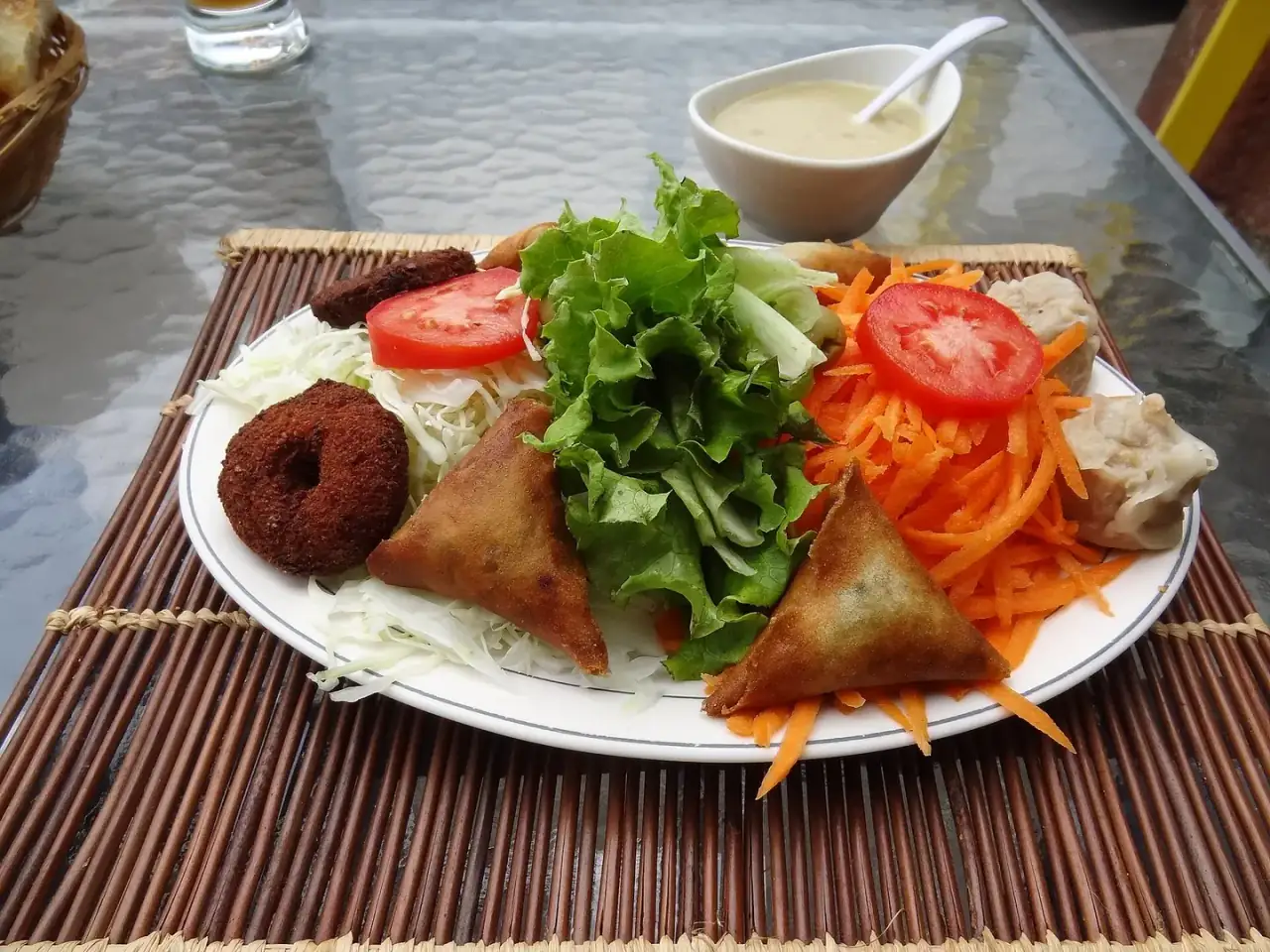
- bouchons, steamed or sometimes fried, served with siaw, the local name for soy sauce.
The Chinese community also left its mark on the orchards: the island's letchis (lychees), like the guava variety known as “goyave de Chine” (Chinese guava), come from China. This cooking blends with the island's other culinary heritages, Indian, Malagasy, African and European, which you will find in our section on Réunionese culture and cuisine.
How are bouchons eaten on Réunion?
Réunion bouchons can be enjoyed in several ways:
- as an aperitif snack, still steaming, dipped in siaw with a little chilli;
- in a pain bouchon, tucked into a baguette with sauce, a typical snack sold by caterers and snack bars;
- on a plate, with other steamed dumplings and Cantonese rice.
Unlike most of the island's nibbles, which are often fried like samoussas or bonbons piment (chilli fritters), the bouchon remains first and foremost a steamed dish, true to Chinese tradition. To buy them ready-made, head to a caterer or a street market: many stalls sell bouchons, samoussas and pâtés créoles (Creole pies). Our guide to Réunion's street markets day by day will help you pick the right morning.
Réunion bouchon recipe (family version)
This recipe makes around thirty bouchons. Chinese dumpling wrappers (wonton sheets) can be found in Asian grocery shops and in the chilled section of many supermarkets.
Ingredients
- 500 g minced pork (neck or shoulder, not too lean)
- 1 onion
- 3 garlic cloves
- 1 small piece of fresh ginger
- 2 or 3 stalks of spring onion (cive)
- 2 tablespoons soy sauce, plus extra to serve
- 1 tablespoon cornflour
- 1 pinch of pepper
- the zest of one combava (kaffir lime, optional)
- 30 Chinese dumpling wrappers
- fresh chilli or chilli paste, to taste
Method
- Finely chop the onion, garlic, ginger and spring onion.
- In a mixing bowl, combine the pork, aromatics, soy sauce, cornflour, pepper and combava zest. Knead well by hand to get a firm, well-bound filling.
- Place a wrapper in the palm of your hand and put a heaped teaspoon of filling in the centre.
- Bring the edges of the wrapper up around the filling, pleating them, without closing the top completely: the bouchon should stay slightly open. Press the filling down with the back of the spoon.
- Lightly oil the basket of a steamer (or lay a sheet of pierced baking paper in it) and arrange the bouchons so they do not touch.
- Steam for about 20 minutes, until the filling is cooked right through.
- Serve immediately with a bowl of soy sauce and a little chilli.
Family tips
- The pork: slightly fatty meat makes softer bouchons.
- Freezing: raw bouchons freeze well on a tray, then in a bag. Steam them straight from frozen, cooking them a little longer.
- The chicken version: many caterers also offer chicken bouchons; the method is the same.
Where to taste Sino-Réunionese cooking on the island?
You will find bouchons everywhere on Réunion: at neighbourhood caterers, in snack bars, at markets and on the menu of many restaurants. Saint-Denis, where the island's first Chinese school opened in 1927, is a good starting point for a food stroll: the page on Saint-Denis introduces the town and its neighbourhoods. To find a table near where you are staying, browse our selection of restaurants on Réunion, from family carri to Asian cooking.
Together with samoussas, Réunion bouchons form the essential duo of the Creole aperitif. If you want to complete your platter, our Réunion samoussa recipe is waiting for you.
A mixed cuisine that reflects the island
The bouchon shows how Réunion creates its own cuisine: a dish from elsewhere, adopted by everyone, then adapted to local tastes and produce. Like carri or rougail, it has become an everyday landmark, from Sunday picnics to festive buffets. Tasting one is also a way to discover a chapter in the history of how the island was settled.
To discover more dishes, recipes and good addresses near you, download the Nout Péi app or explore the website.
Frequently asked questions
What is the difference between a Réunion bouchon and siu mai?
The Réunion bouchon is the local adaptation of shumai (siu mai), the Chinese steamed dumpling. On Réunion it is mostly filled with pork, sometimes chicken, and eaten with siaw, soy sauce, often with a little chilli.
How do you cook bouchons without a steamer?
Place a metal colander or a bamboo basket over a pan of simmering water, cover and cook for about 20 minutes. The bouchons must not touch the water, and you should check that the filling is cooked right through.
What is a pain bouchon?
It is a typical Réunion snack: a baguette filled with hot bouchons and sauce. You will find it at many caterers and snack bars across the island.
- bouchons
- Sino-Réunionese cuisine
- recipe
- Creole aperitif
- Réunionese cuisine