Sea and lagoon
Diving on Réunion Island: spots, snorkelling and rules
Diving on Réunion: the best spots from Saint-Gilles to Saint-Leu, snorkelling in the lagoon, the marine reserve's rules and safety.
5 min read
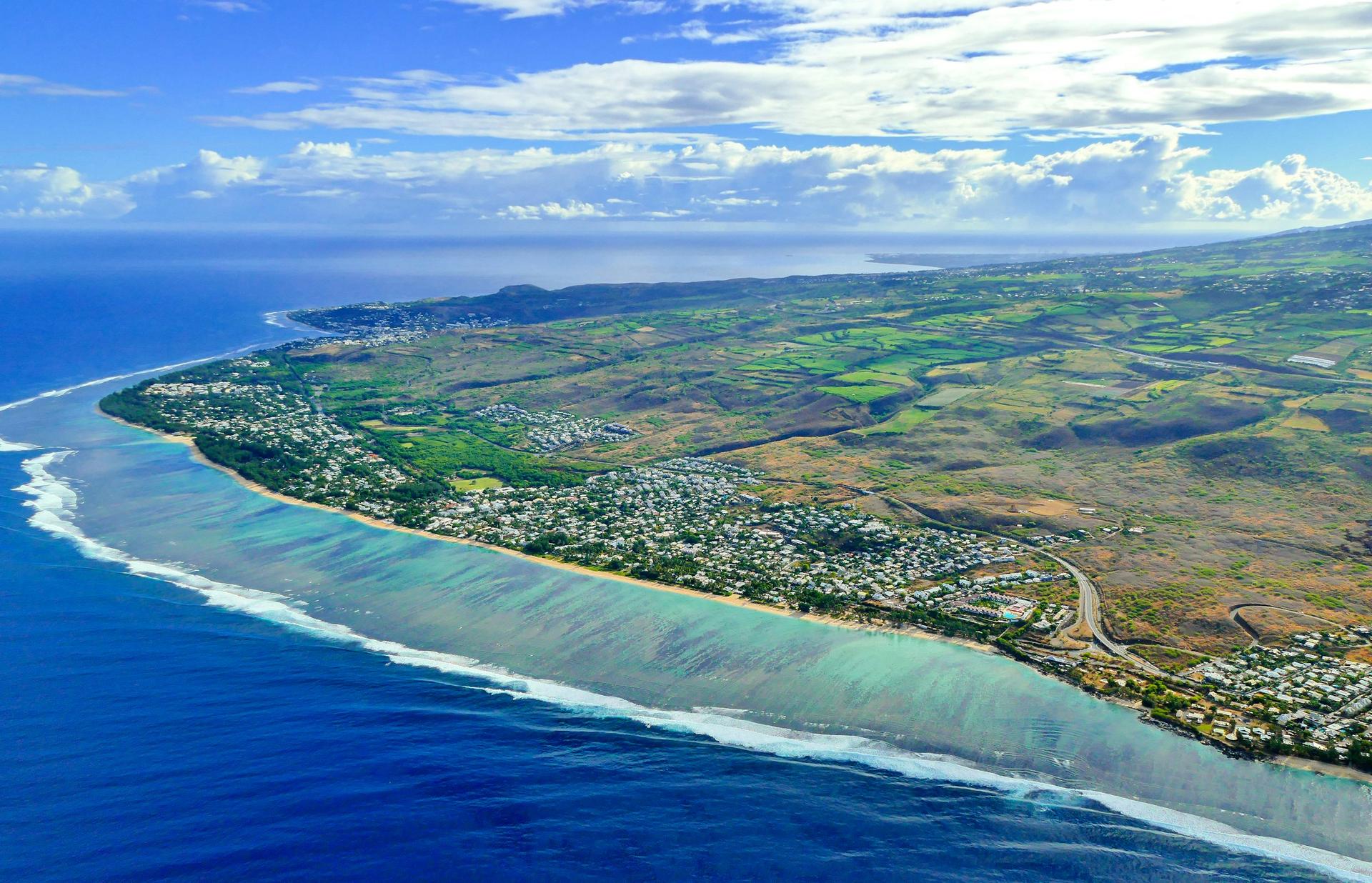
Diving on Réunion mainly takes place on the west and south-west coasts, between Saint-Paul and L'Étang-Salé, where the coral reefs form lagoons protected by the Marine Nature Reserve. Mask and snorkel in the lagoon, or scuba tank with a dive club further out: here are the best spots, the reserve's rules and the safety advice to know before you get in the water.
Where can you go diving on Réunion?
The island is young and volcanic: the seabed drops away quickly and coral reefs fringe only part of the coastline, in the west and south-west. That is where the dive clubs and dive sites are concentrated.
The main areas for scuba diving:
- Saint-Gilles and Saint-Paul, from the port of Saint-Gilles: drop-offs, crevices and coral sites beyond the reef;
- Saint-Leu, known for its drop-offs and reef passes, with plenty of turtles;
- L'Étang-Salé and Saint-Pierre, further south, with a variety of sites depending on sea conditions.
Experienced divers can also explore wrecks, such as the Antonio Lorenzo, a former longliner deliberately scuttled in the late 1990s to create an artificial reef on the west coast. These deep dives are for advanced levels only. To find a club or a try dive, see our scuba diving on Réunion page.
What are the best snorkelling spots?
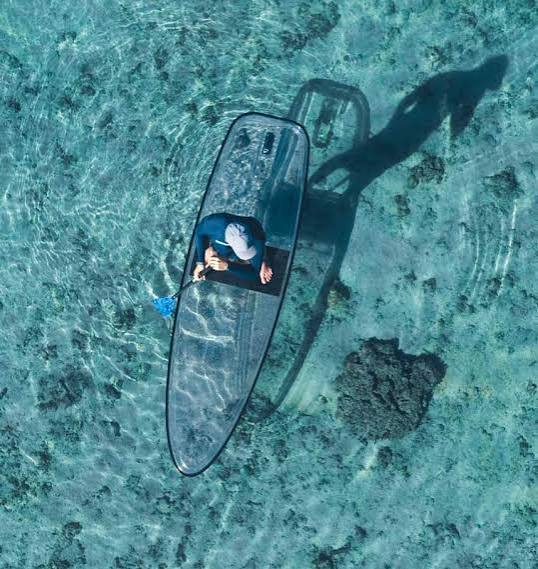
Snorkelling (randonnée palmée in French) is done in the lagoons, sheltered by the coral reef. To choose the right spot, see our snorkelling on Réunion page:
- The L'Hermitage lagoon: the largest and easiest for beginners, with shallow water and lots of fish. The area open to snorkelling is marked out; beyond it, some coral zones are strictly protected. Find the beach on the L'Hermitage page.
- La Saline-les-Bains and Trou d'Eau, in continuation of L'Hermitage, often calmer early in the morning.
- Saint-Leu: a narrower lagoon, but one where green turtles are regularly seen. More information on the Saint-Leu page.
- L'Étang-Salé: the small lagoon of the Bassin Pirogue is one of the most pleasant in the south-west; see our page on L'Étang-Salé beach.
- Saint-Pierre: a family-friendly lagoon in the heart of the town, located outside the marine reserve.
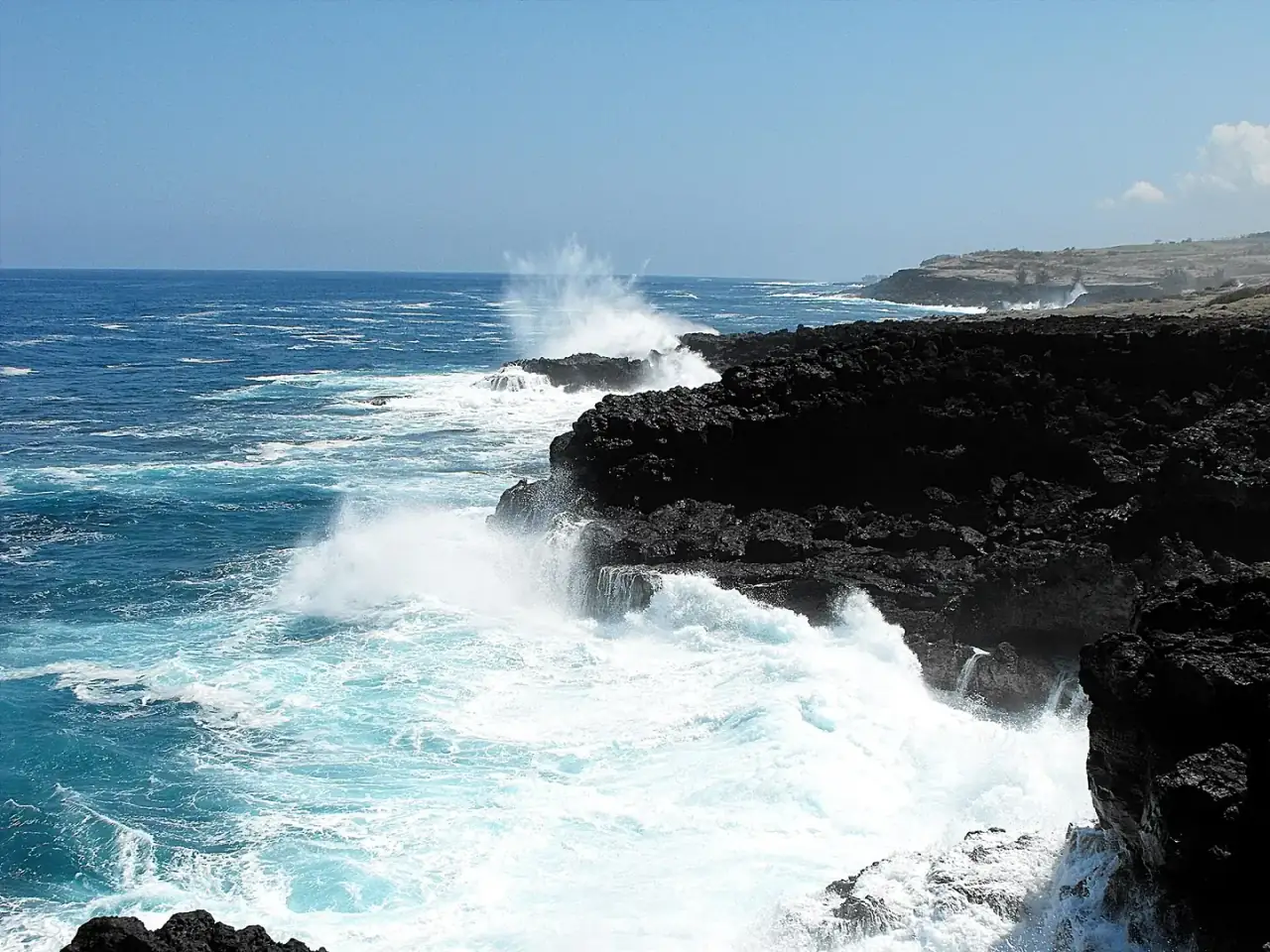
Beyond Saint-Pierre begins the Sud Sauvage (the “wild south”): the sea there is too powerful for snorkelling.
What is the Réunion Marine Nature Reserve?
The Réunion National Marine Nature Reserve was created by a decree of 21 February 2007. It covers about 3,500 hectares along some forty kilometres of coast, from Cap La Houssaye in Saint-Paul to L'Étang-Salé, and protects most of the island's coral reefs.
It is divided into several levels of protection: a general regulation zone, enhanced protection zones, which make up almost half its area, and fully protected sanctuaries where fishing is banned. Sworn wardens carry out checks.
The reserve also offers an underwater trail at L'Hermitage, a guided discovery of the lagoon to learn to recognise corals and fish; according to the Marine Nature Reserve website, sessions were scheduled in October and November 2026.
What rules should you follow when diving on Réunion?
Inside the reserve, a few simple habits protect a fragile reef:
- Don't walk on the coral or stand on it: it is forbidden, and trampled coral takes years to grow back.
- Don't touch the animals and don't feed the fish.
- Don't take anything: no coral, no shells, no living creatures.
- Keep your distance from turtles and let them come up to breathe freely.
- Choose a reef-safe sun cream, or better still, a UV-protective rash vest.
- On a boat, follow the reserve's mooring rules and the approach distances for whales and dolphins, set at 100 m within its boundaries.
To approach turtles in the best conditions, our article on sea turtles and Kélonia gives you all the right habits.
Diving on Réunion and the shark risk: what you need to know
Since 2013, a prefectural order, regularly renewed, has banned swimming and several water sports within 300 metres of the shore, outside the lagoon, except in designated, supervised areas. So this is not the time to improvise a free-diving outing at a wild spot.
In practice:
- stay inside the lagoon for snorkelling, within the marked swimming areas;
- avoid murky water, after rain or near the mouths of ravines, as well as dawn and dusk;
- for scuba diving, go with a professional club, which knows the regulations in force and the day's conditions.
Our guide to swimming safely in the lagoon details the authorised areas and the flags.
To find clubs, lagoons and supervised beaches near you, download the Nout Péi app or explore our activity guides.
Frequently asked questions
When is the best time for diving on Réunion?
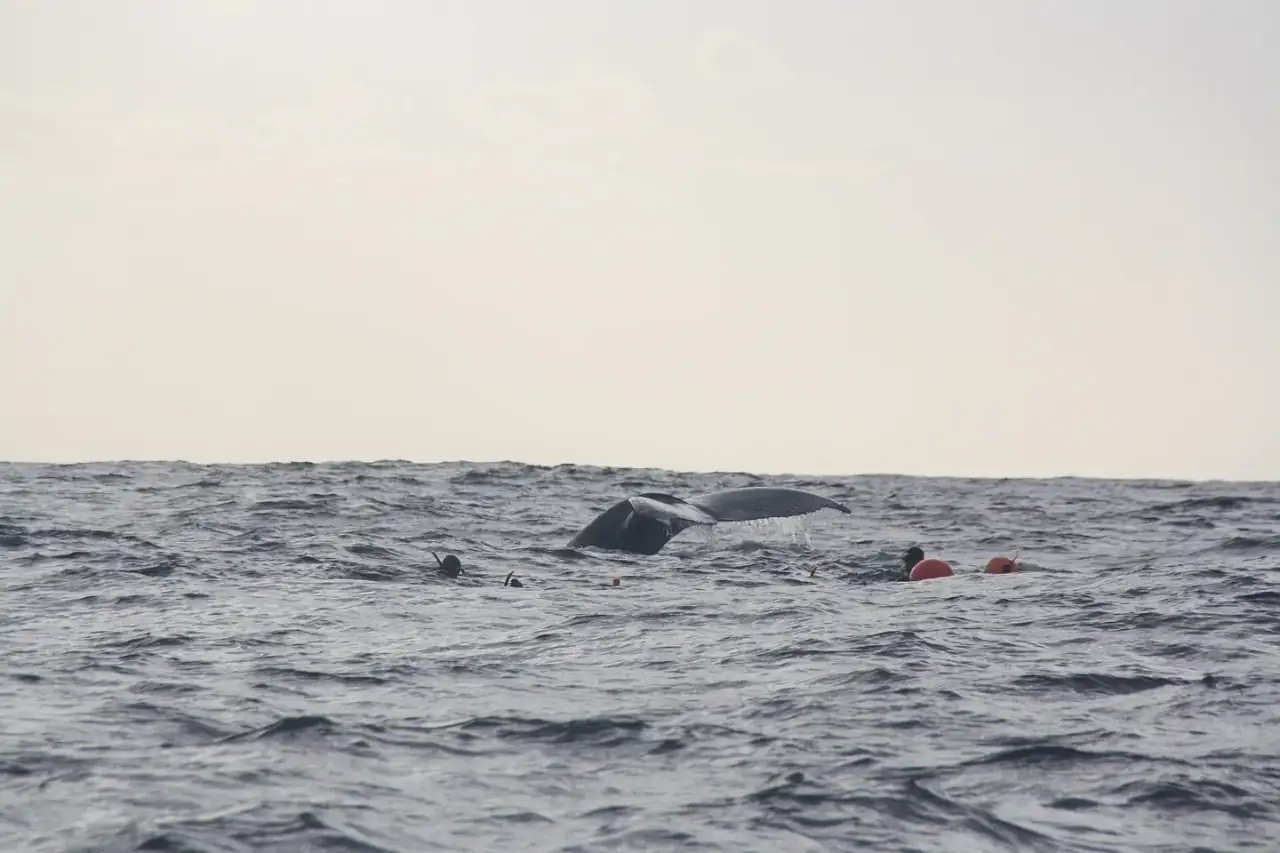
You can dive all year round. The southern summer, from November to April, brings warmer water, but also episodes of heavy rain and a risk of cyclones. The southern winter, cooler, often brings good visibility and, from about June to October, the chance to hear or come across humpback whales from the boat.
Do you need a qualification to dive on Réunion?
Not for a try dive, which is done with an instructor as long as you meet the age and health conditions set by the club. For exploration dives, clubs require at least an entry-level diver certification. Deep wrecks and some drop-offs are reserved for experienced divers.
Can you snorkel anywhere on Réunion?
No. Snorkelling is done in the lagoons, sheltered by the reef, and in authorised swimming areas. Outside the lagoons, a prefectural order linked to the shark risk bans swimming and several water sports within 300 metres of the shore, except in supervised areas.
- diving
- snorkelling
- lagoon
- marine reserve
- safety