Sea and lagoon
Swimming in Réunion: the lagoon, authorised areas and beach flags
Swimming safely in Réunion: where swimming in the lagoon is allowed, what the shark order says, the flags to know and the hidden dangers of the coral reef.
6 min read
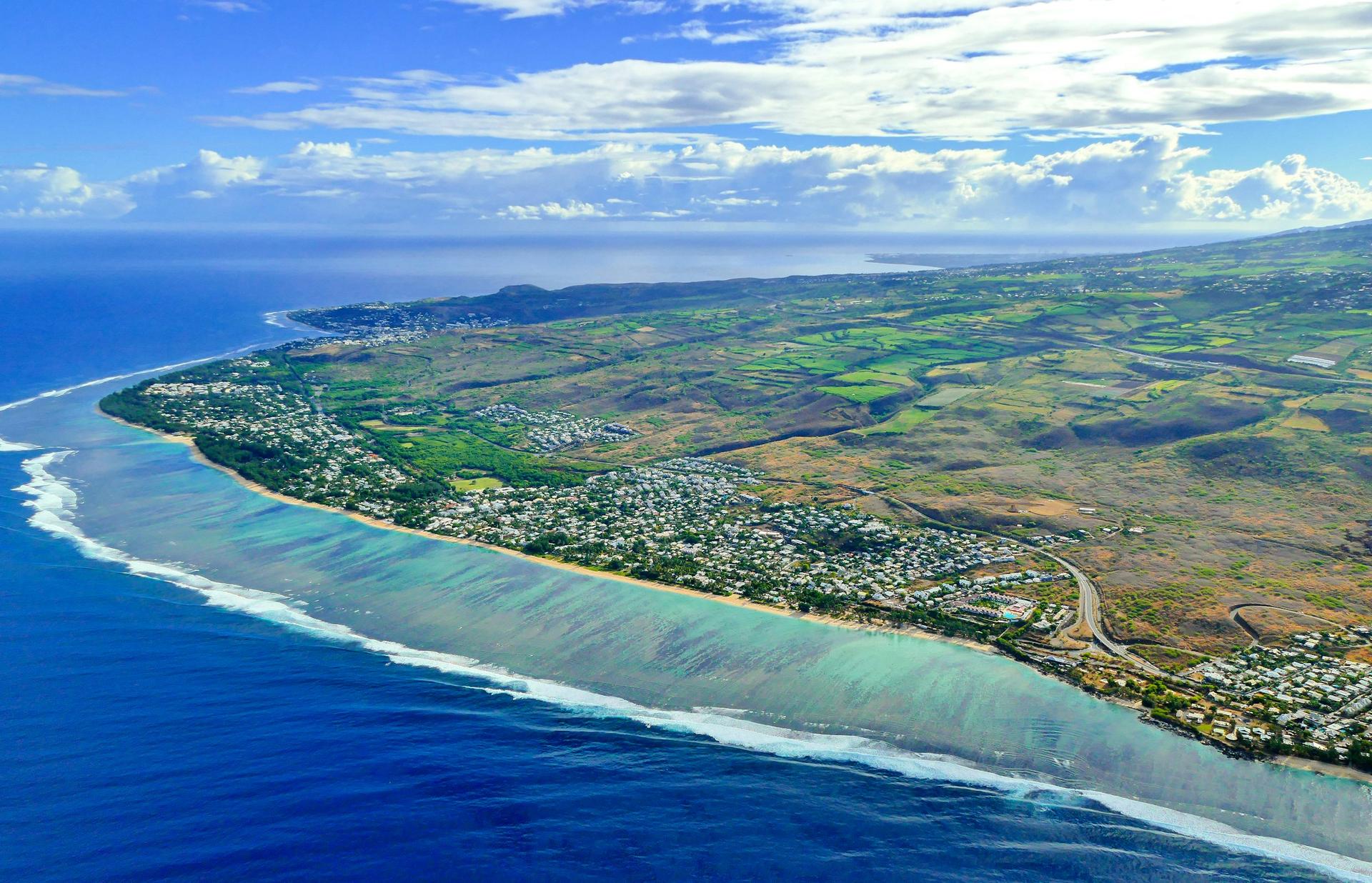
Swimming in Réunion is possible and enjoyable, provided you choose the right place: the lagoon sheltered by the coral reef, or an equipped and supervised area. Elsewhere, swimming has been banned within 300 metres of the shore since 2013 because of the shark risk. Here are the rules, the flags to know and the right habits for enjoying the sea safely.
Where can you swim safely in Réunion?
Unlike many tropical islands, Réunion has few beaches. Its coastline is mostly made up of cliffs, pebbles and volcanic rock pounded by the swell. The real sandy beaches are concentrated on the west and south-west coasts, where a coral reef has formed a shallow lagoon.
The lagoon stretches in sections between Saint-Gilles and Saint-Pierre. Most of these reefs are part of the Réunion Marine Nature Reserve, created in 2007, which runs from Cap La Houssaye, in Saint-Paul, to the Roche aux Oiseaux, in L’Étang-Salé. The main swimming spots are:
- L’Ermitage and La Saline-les-Bains (Saint-Paul): the island’s longest lagoon, ideal for families. See our guide to La Saline-les-Bains beach.
- Saint-Leu: a narrower lagoon, popular for watching fish and turtles.
- L’Étang-Salé: a black sand beach and a sheltered lagoon, described in our guide to L’Étang-Salé beach.
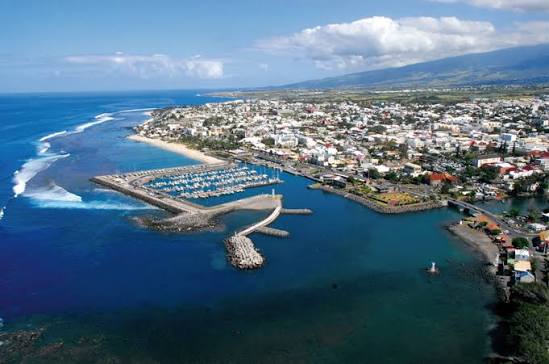
- Saint-Pierre: a lagoon right in the town centre, at the foot of the seafront, featured in our guide to Saint-Pierre beach.
Outside the lagoon, a few beaches have an equipped and supervised swimming area, protected by shark nets. This is the case, in the Saint-Paul municipality, for Boucan Canot beach and Roches Noires beach. These nets may be removed during heavy swell or a cyclone: swimming is then closed.
What do the rules say about swimming in Réunion?
Since 2013, following several shark attacks, a prefectural order has regulated swimming and certain water sports within 300 metres of the shore. It is renewed every year. Its main principles are as follows:
- swimming is allowed in the lagoon and, outside the lagoon, in equipped areas and supervised zones defined by municipal order;
- everywhere else within the 300 metres, swimming is banned, as are activities that use the power of the waves (surfing, bodyboarding, bodysurfing, longboarding, paddleboarding);
- scuba diving remains possible, at the divers’ own risk.
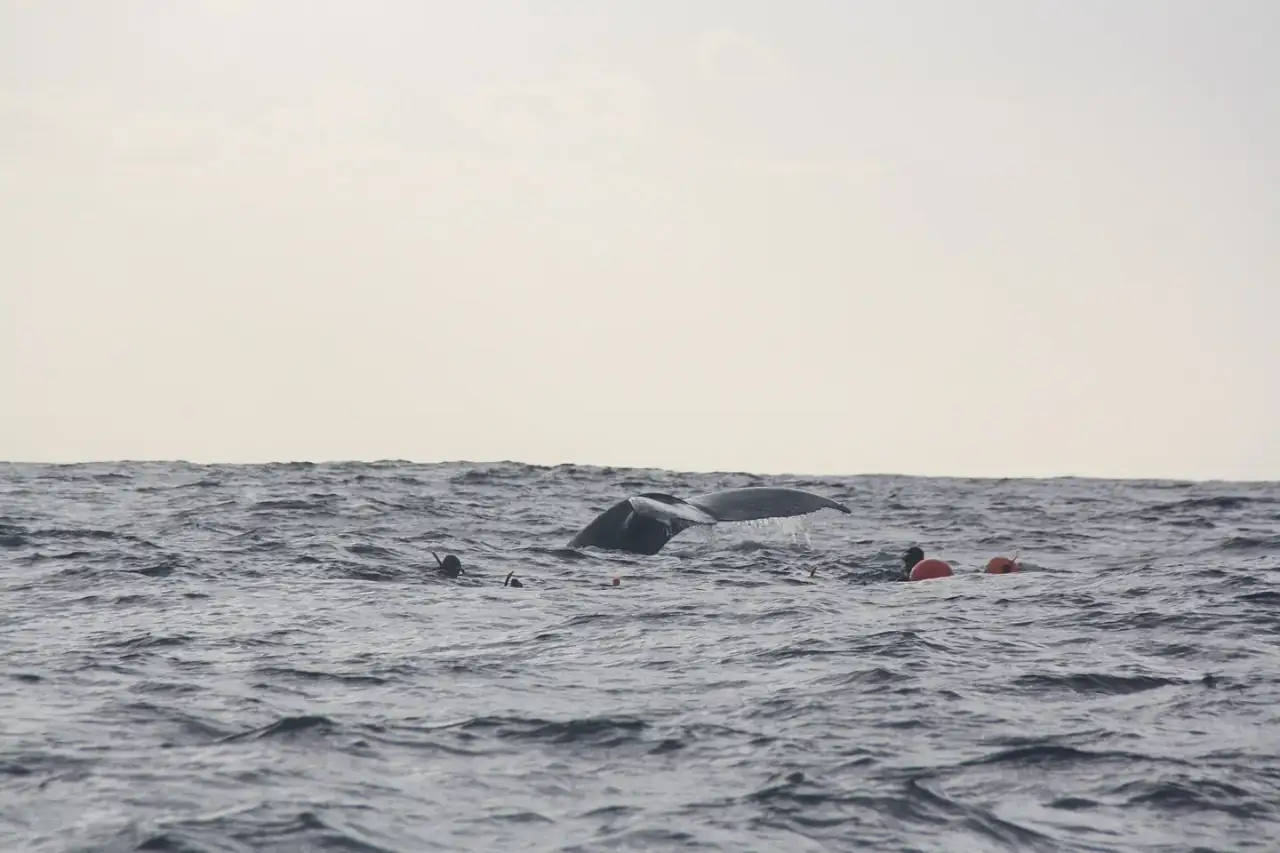
According to Réunion la 1ère, the rule was relaxed in March 2025: swimming with fins, mask and snorkel is once again allowed within the 300 metres, with the sub-prefect recommending never to do it alone. As the rules may change at each renewal, check the prefecture’s page on swimming regulations before your stay.
How to read the flags on the island’s beaches
Lifeguard stations fly a flag every day showing the swimming conditions. According to the Réunion prefecture:
- Green flag: supervised swimming, no particular danger.
- Yellow-orange flag: swimming is dangerous but supervised. Stay close to the shore and the lifeguards.
- Red flag: swimming prohibited.
On some beaches, signs specific to the shark risk complete this system. An orange pennant bearing a shark signals conditions favourable to the presence of sharks; a red pennant bearing a shark means a shark has recently been seen. In both cases, stay out of the water.
Lifeguards only watch the beach at certain times. Outside these hours, or far from the stations, you swim entirely at your own risk.
The shark risk: understanding it to protect yourself
Attacks have mainly involved surfers and swimmers outside the lagoon, often in murky water. The risk is considered higher in certain conditions, which are worth knowing even if you stay in an authorised area:
- murky water, especially after heavy rain, when the ravines wash mud into the sea;
- dawn and dusk, when sharks hunt more;
- mouths of rivers and ravines, harbours and the surroundings of fishing areas;
- swimming alone, far from other people.
In the lagoon, the coral reef greatly limits access for large sharks, but it is not absolute protection. Never swim across the reef to head out to sea.
The lagoon’s other dangers
The lagoon looks calm, but it has its own hazards.
Currents and channels
The water that comes in over the reef flows back out through passes, small channels where the current pulls out to sea. Stay away from them and, if you are swept along, swim parallel to the shore rather than against the current.
Coral, sea urchins and stonefish
The bottom is covered with living coral and sea urchins. Wear water shoes and avoid walking on the reef flat. The perfectly camouflaged stonefish can inflict a very painful sting: if this happens, call the emergency services (15 or 112). Do not touch coral or animals, especially as the Marine Nature Reserve protects them.
Sun and tide
The tropical sun burns quickly, even when it is hazy: reef-safe sun cream, a UV-protective T-shirt and a hat are essential. At low tide, some parts of the lagoon become too shallow to swim in: it is the perfect time to watch, not to fin over the coral.
When to swim in Réunion
You can swim in the lagoon all year round. The water is warmest during the southern summer, from December to April, but it is also the season of heavy rain and cyclones: after a big downpour, the water turns murky and health-related or precautionary closures are possible. During the southern winter, from May to November, the water is slightly cooler and the southern swell can be strong, but the weather is often drier.
For more tips on this season, read our article on the southern summer in Réunion. And to watch fish safely, discover our selection of diving and snorkelling spots.
All beaches and swimming areas are listed in the Nout Péi app: download it or browse our guides to plan your day by the water.
Frequently asked questions
Is it dangerous to swim in Réunion?
You can swim in Réunion without much worry if you stick to the authorised areas: the lagoon and the equipped, supervised zones. Outside these areas, swimming is banned within 300 metres of the shore because of the shark risk, and the swell often makes the sea dangerous.
Where can you swim with children in Réunion?
The lagoon at L’Ermitage and La Saline-les-Bains is the best suited to families, with calm, shallow water. The lagoons at L’Étang-Salé and Saint-Pierre are also good options. Choose a supervised beach and stay close to the lifeguard stations.
Can you snorkel outside the lagoon?
Since the relaxation of the rules in March 2025 reported by Réunion la 1ère, swimming with fins, mask and snorkel is once again allowed within 300 metres of the shore. The authorities nevertheless recommend never doing it alone and avoiding murky water. Check the regulations in force before you go.
- lagoon
- swimming
- shark risk
- beaches
- safety