Culture
Maloya: Réunion’s music, on UNESCO’s heritage list
Maloya, the music born among the slaves of Réunion Island, has been on UNESCO’s list since 2009. Its origins, instruments, great artists and where to hear it on the island.
5 min read
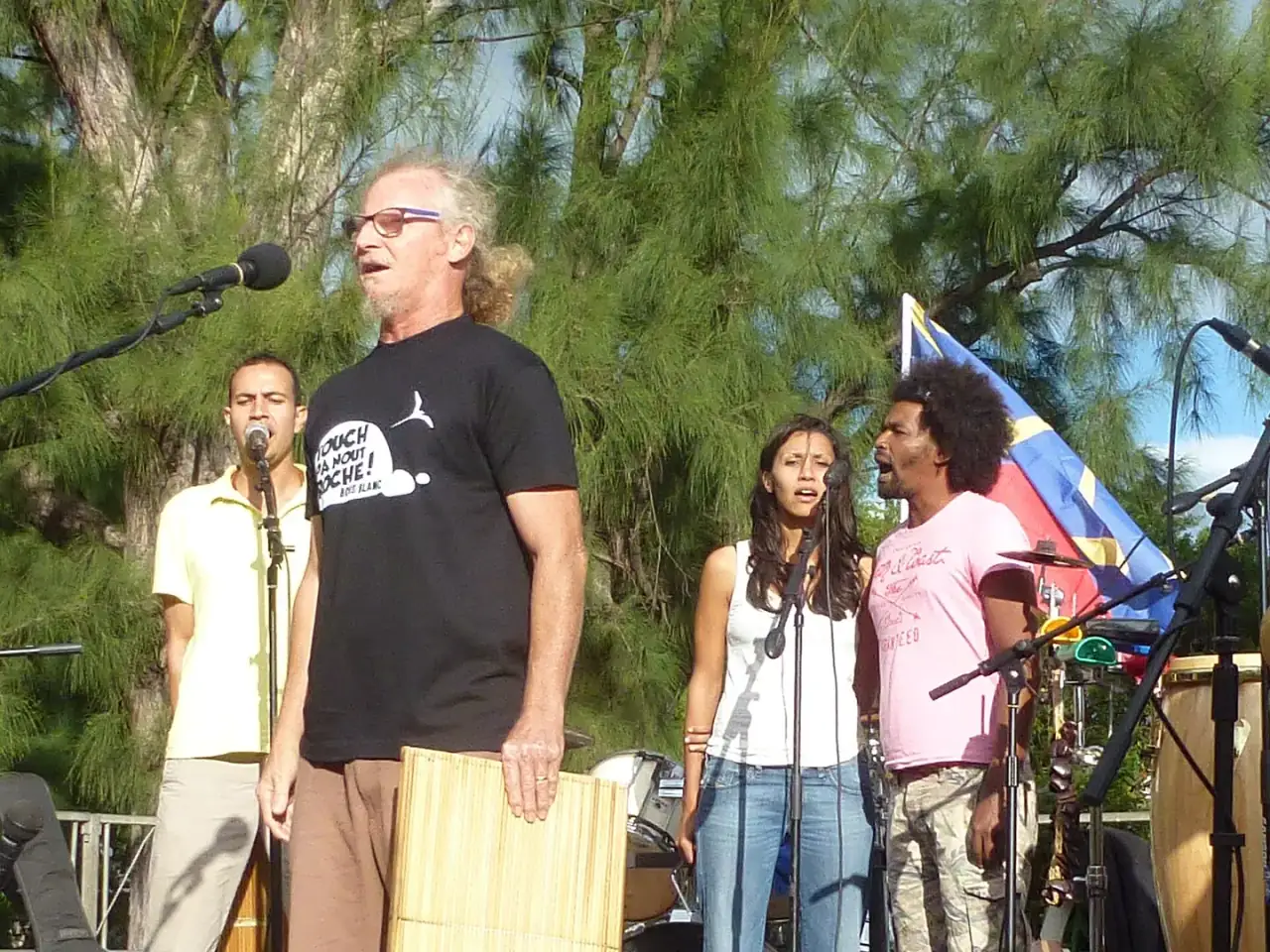
Maloya is the music, song and dance born in Réunion among enslaved people of Malagasy and African origin, on the plantations. Long pushed to the margins, it has become the symbol of Réunionese identity and in 2009 was inscribed on UNESCO’s Representative List of the Intangible Cultural Heritage of Humanity.
What is maloya?
According to UNESCO’s official listing, it is at once a form of music, a song and a dance unique to the island. It was created by Malagasy and African slaves on the sugar plantations, then spread to the whole of Réunion’s population.
Originally, it took the form of a dialogue between a lead singer and a chorus answering him, driven by percussion. It was linked to ancestor worship, in a ritual setting, before also becoming a song of lament and revolt. Even today, its lyrics in Creole speak of memory, suffering, freedom and everyday life.
To put this music in context, our page on slavery in Réunion traces the history of the people who gave birth to it.
What are the instruments of maloya?
The traditional line-up is built on a small set of instruments, originally made from simple materials.
- The roulèr: a large drum made from a barrel with a skin stretched over it, which the musician sits astride to strike with bare hands. It is the rhythmic heart of the ensemble.
- The kayamb: a flat, raft-shaped rattle made from sugar cane flower stems and filled with seeds, shaken in rhythm.
- The bob (or bobre): a musical bow fitted with a calabash that acts as a sound box.
- The pikèr: a length of bamboo struck with sticks.
- The sati: a metal box or plate that is struck, giving a clear sound.
Over time, other instruments were added: djembes, drum kits, synthesisers. The genre has also mixed with rock, reggae and jazz, without losing its rhythmic base in triple time.
Why was maloya banned or suppressed?
For a long time, playing this music was no trivial matter. As the music of the descendants of slaves, sung in Creole, associated with ceremonies for the ancestors and later with political demands, it was frowned upon by the authorities and part of society. In the 1960s and 1970s, performing it in public was suppressed and concerts were often held in secret.
The first maloya record, an LP by Firmin Viry’s troupe, was recorded in 1976 at a congress of the Réunion Communist Party in Le Port. It was only from the early 1980s that it could be expressed freely all over the island, eventually becoming the soundtrack of Réunionese pride.
Maloya, UNESCO intangible cultural heritage
The inscription of maloya on the Representative List of the Intangible Cultural Heritage of Humanity was decided in 2009, at the 4th session of UNESCO’s Intergovernmental Committee, on France’s proposal. The Région Réunion points out that it was the first worldwide recognition of an element of Réunion’s culture, a year before the Pitons, cirques and ramparts were inscribed as a World Heritage Site.
UNESCO’s official listing counts around 300 groups and highlights the role of the Conservatoire de La Réunion (the island’s music conservatoire) in passing it on. It also notes its fragility: the passing of great figures and changes in society threaten some traditional forms.
The great voices to know
A few names have shaped its history and remain essential:
- [Firmin Viry](/personnalites/firmin-viry), one of the first to bring this music to the stage and to record, a figure of its revival.
- [Granmoun Lélé](/personnalites/granmoun-lele), guardian of a deep tradition, rooted in family and spiritual traditions.
- [Danyel Waro](/personnalites/danyel-waro), poet and campaigner for the Creole language, who has become one of the island’s most recognised voices.
- Alain Peters, a singer-songwriter with a unique style, blending maloya and modern influences.
- Lo Rwa Kaf, a popular figure attached to the roots of the song.
The new generation continues to reinvent the genre, between tradition and contemporary music.
Where to hear maloya in Réunion
The best way to feel this music is to experience a kabar: a festive evening where musicians, singers and dancers take turns, often in the open air. Kabars are plentiful around 20 December, the day of the Fèt Kaf, which commemorates the abolition of slavery; our article on the Fèt Kaf of 20 December tells you more.
You can also hear it at festivals, local celebrations and the island’s concert halls. To find a concert during your stay, check the Réunion events calendar. And to understand what sets it apart from the island’s other great music, also read our article on Réunionese séga.
To discover the artists and venues of Réunion’s culture, download the Nout Péi app or browse the site’s culture section.
Frequently asked questions
When was maloya inscribed on UNESCO’s heritage list?
It was inscribed in 2009 on UNESCO’s Representative List of the Intangible Cultural Heritage of Humanity. The decision was taken at the 4th session of the Intergovernmental Committee, on France’s proposal. It was the first worldwide recognition of an element of Réunion’s culture.
What is the difference between maloya and séga?
Maloya was born among the slaves on the plantations and keeps a strong link with memory, the ancestors and protest. Séga is more of a dance and ballroom music, influenced by European music. Both are an integral part of Réunion’s culture.
What is a kabar?
A kabar is an evening where maloya is played, sung and danced, often in the open air and open to all. People come to listen, but also to dance and take part. Kabars are especially numerous around 20 December, the day of the Fèt Kaf.
- maloya
- music
- UNESCO
- intangible heritage
- kabar