Practical tips
Grand Raid 2026 on Réunion: Hugo Deck and Ruth Croft rule the Diagonale
Grand Raid 2026 on Réunion: wins for Hugo Deck and Ruth Croft on the Diagonale des Fous, a route without Cilaos, key figures and the other races.
6 min read
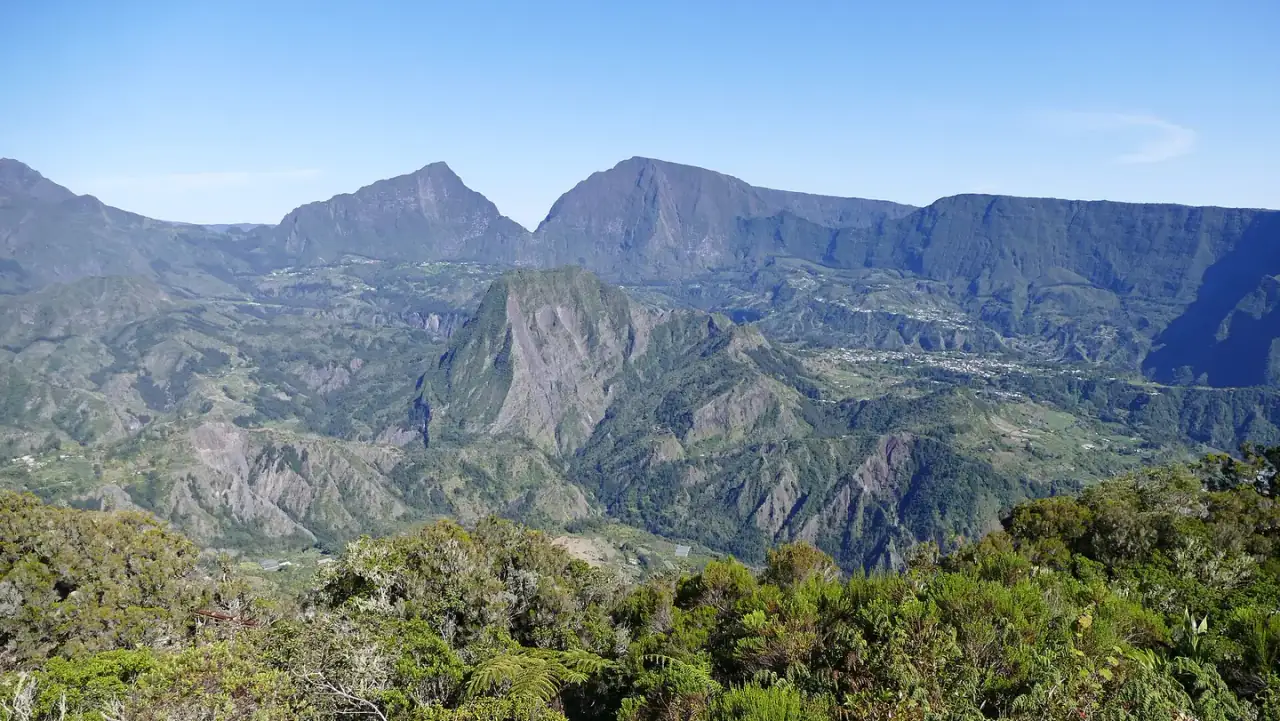
The 2026 Grand Raid was run from 15 to 18 October on the trails of Réunion, with an unexpected winner on the Diagonale des Fous (“Madmen's Diagonal”): Hugo Deck, aged 26, in 22 h 54 min 19 s. In the women's race, New Zealander Ruth Croft won in 27 h 13 min 23 s. Here is a review of this edition, from the results to the key figures, based on reports by Réunion la 1ère and Imaz Press.
Grand Raid 2026: who won the Diagonale des Fous?
The flagship race started on Thursday 15 October at 10 pm from the seafront in Saint-Pierre. According to Réunion la 1ère, around 2,800 runners set off on 180 km with some 10,200 metres of elevation gain, finishing at the La Redoute stadium in Saint-Denis.
In the men's race, the podium according to Imaz Press was:
- Hugo Deck, in 22 h 54 min 19 s. The 26-year-old from the Var was running his first Diagonale and, according to Imaz Press, had never run an ultra-trail before.
- Robin Juillaguet, in 23 h 51 min 54 s.
- Jérôme Vanderschaeghe (Belgium), in 24 h 10 min 35 s.
Réunion islander Judicaël Sautron took 4th place in 24 h 38 min 40 s: the first runner from the island, he achieved his best result in the race, Réunion la 1ère points out.
In the women's race, Ruth Croft (New Zealand) won in 27 h 13 min 23 s, finishing 11th overall. She was ahead of American Alyssa Clark (28 h 26 min 53 s) and Frenchwoman Agathe Bes (29 h 05 min 19 s).
A brand-new route, without Cilaos
The 2026 edition will also be remembered for a thoroughly reworked route. As specialist websites explained before the race, the organisers had announced back in February that the Diagonale would no longer go through Cilaos. The reason given: the cirque is served by a single road, which complicates the movement of runners, support crews and spectators.
The new route, billed as the longest in the race's history, ran as follows:
- the climb from Saint-Pierre to the Plaine des Cafres (Mare à Boue), then the Coteau Kerveguen and the Caverne Dufour, below the Piton des Neiges;
- through Cap Anglais and the Bélouve forest;
- a long descent to Hell-Bourg, the new central base camp in the Cirque de Salazie;
- the climb back up to the Plaine des Merles, then into Mafate via the Sentier Scout;
- across the îlets (hamlets) of Mafate to Roche Plate, then La Brèche and the Maïdo;
- the final section towards La Grande Chaloupe and the finish at La Redoute.
To discover these landscapes at a more human pace, read our guides to Salazie and Hell-Bourg and to Mafate, the cirque without roads.
Highlights of the race
The 2026 Diagonale had its share of twists and turns. Vincent Esmiol led the race for a long time, especially in the first half, before dropping out at La Grande Chaloupe, close to the finish. Swiss runner Jean-Philippe Tschumi, a former podium finisher, also had to pull out.
According to Réunion la 1ère, Hell-Bourg was the point with the most withdrawals. Imaz Press notes in particular that of Amélie Huchet, the favourite among Réunion's women runners, for health reasons. The oldest runner in the race at 78, Georges Zibel was stopped by the cut-off time at Mare à Boue, on his 26th participation.
There was plenty of emotion at La Redoute too. The last finisher, Belgian Sander Boom, completed the race in 65 h 57 min 32 s. As tradition dictates, he was accompanied over the final metres by the winner, Hugo Deck.
How many runners took part in the 2026 Grand Raid? Key figures
According to Imaz Press, 7,226 runners started the various races of the 2026 Grand Raid. Réunion la 1ère, for its part, mentions around 6,800 participants from 43 countries. The differences come down to how they are counted (registered entrants, starters, races included).
For the Diagonale des Fous:
- around 2,800 starters (2,767 according to the results published by Imaz Press);
- 2,126 finishers according to Imaz Press;
- 640 withdrawals, a rate of about 23%, the highest of the five races according to Réunion la 1ère.
Across all races, Réunion la 1ère reports a withdrawal rate below 17%, the lowest in five years.
The other races of the 2026 Grand Raid
The Grand Raid is not just the Diagonale. Here are the winners of the other races, according to Réunion la 1ère and Imaz Press:
- Trail de Bourbon (about 106 km, starting from Cilaos): Alexandre Dépêche won in 13 h 49 min 56 s; Camille Guy won the women's race.
- Mascareignes (about 70 km, starting from Hell-Bourg): victory for Florian Bernabeu-Séguy in 8 h 13 min 32 s; Claire Jacquin was the first woman.
- Métis Trail (51 km, starting from Saint-Paul): Tibère Debizet won in 5 h 17 min 08 s, with Julie Lelong first woman and third overall.
- Zembrocal Trail (relay for teams of four, 160 km, starting from Saint-Joseph): the “Zembro sous BBL” team won in 21 h 03 min 42 s.
The Joëlettes, which allow people with reduced mobility to experience the race carried by teams of runners, opened proceedings on the Thursday evening.
A short history of the Diagonale des Fous
The race was born in October 1989 under the name “Marche des Cimes”. According to Wikipedia, this first edition linked Saint-Denis to Le Tremblet, in Saint-Philippe: it is the only one to have been run from north to south. It was then called the “Grande Traversée”, then the “Course de la Pleine Lune”, before adopting in 1994 the now-famous nickname of Diagonale des Fous, because of its distance and elevation gain.
The route often changes from one year to the next, which makes comparing times tricky. Among the names that have marked the race, François D'Haene has four wins and Marcelle Puy has five in the women's race. In 2025 the race was won by Baptiste Chassagne and Blandine L'Hirondel, the latter having run the Mascareignes this year.
Registration for the next edition is announced by the organisers on their official website; you can also find the island's major events in our events calendar.
To follow the legendary Grand Raid trails on a hike, download the Nout Péi app or explore the site's hiking pages.
Frequently asked questions
Who won the 2026 Grand Raid?
On the Diagonale des Fous, Hugo Deck won the men's race in 22 h 54 min 19 s, on his first participation. In the women's race, New Zealander Ruth Croft won in 27 h 13 min 23 s, finishing 11th overall.
How long was the 2026 Diagonale des Fous?
The 2026 Diagonale covered around 180 km and 10,200 metres of elevation gain, from Saint-Pierre to the La Redoute stadium in Saint-Denis. For the first time, the route avoided Cilaos and passed through Hell-Bourg, in the Cirque de Salazie.
When does the Grand Raid take place on Réunion?
The Grand Raid takes place every year in October. The 2026 edition was held from 15 to 18 October; the dates of future editions are published by the organisers on their official website.
- Grand Raid
- Diagonale des Fous
- trail running
- news
- Salazie