Hiking
Piton des Neiges at sunrise: the climb from Cilaos, Réunion
The Piton des Neiges at sunrise, on Réunion Island: the climb from Cilaos, a night at the Caverne Dufour refuge, recommended timings and gear.
5 min read
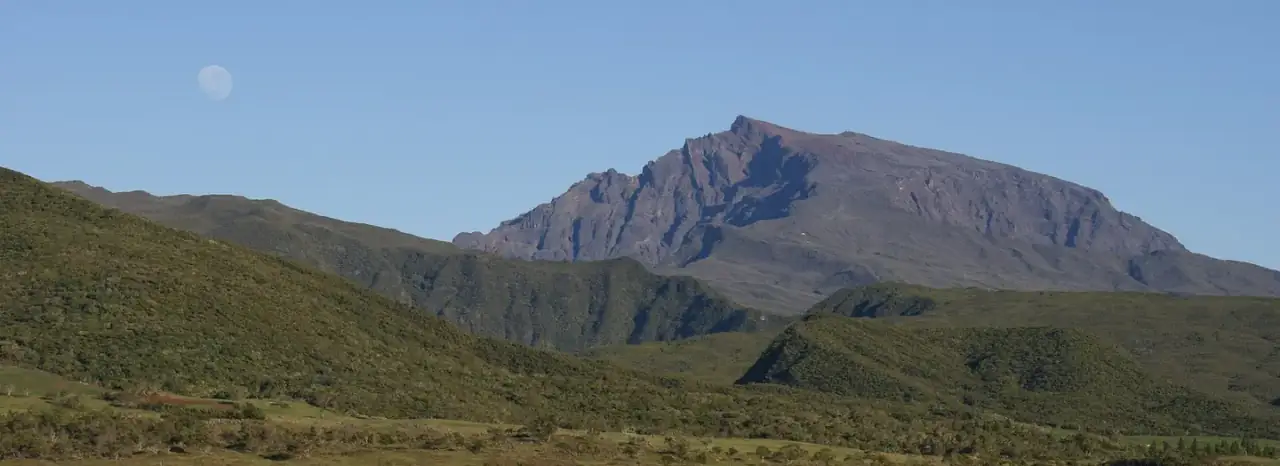
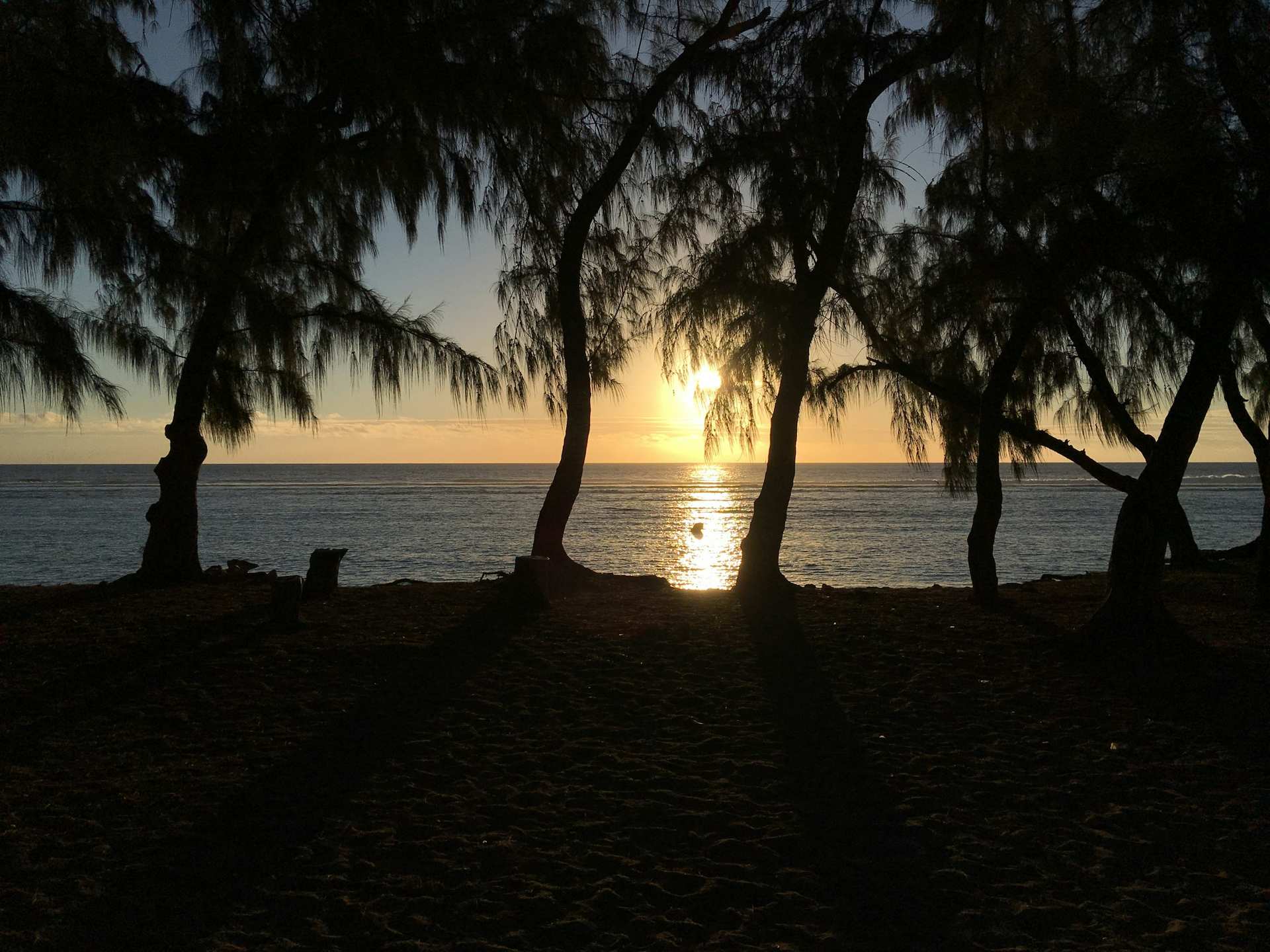
Watching the day break from the Piton des Neiges, at 3,070 metres, is one of the great moments of a trip to Réunion. The most common approach: climb from Cilaos to the Caverne Dufour refuge, sleep there, then tackle the summit in the dead of night to arrive before dawn. Here is how to prepare for the ascent, step by step.
Why climb the Piton des Neiges for sunrise?
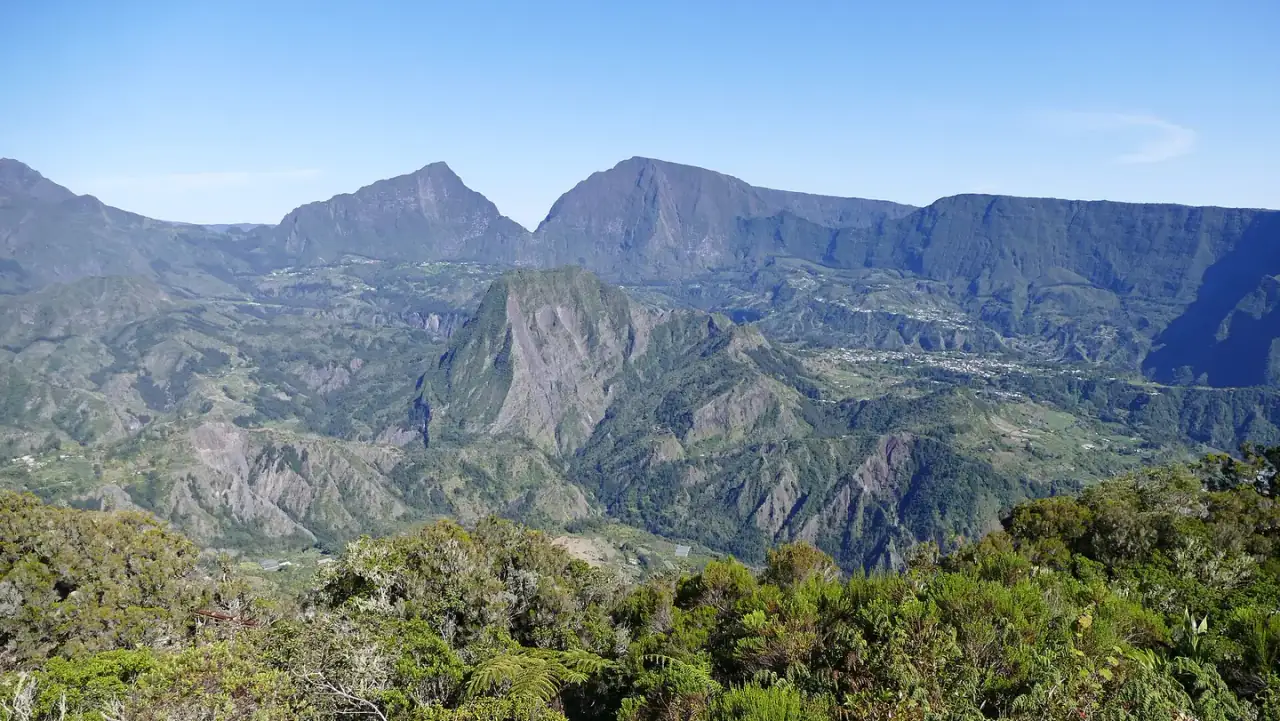
The Piton des Neiges is the highest point of Réunion, of the Mascarene Islands and of the whole Indian Ocean. It is an old volcano, dormant for more than 12,000 years, whose collapse and erosion shaped the island's three cirques (natural amphitheatres). Its slopes lie within the National Park, at the heart of the “Pitons, cirques and remparts” property listed as a UNESCO World Heritage Site; our article on Réunion National Park tells that story.
At the summit, on a clear day, the view takes in Cilaos, Mafate and Salazie, the Piton de la Fournaise massif and, often, a sea of clouds beneath your feet. At sunrise, the triangular shadow of the peak is sometimes cast onto the clouds: a sight many hikers never forget. During the day, clouds rise quickly and often hide the view by late morning, hence the point of aiming for dawn.
How do you climb the Piton des Neiges from Cilaos?
The most direct route starts from the place known as Le Bloc, at about 1,380 metres above sea level, above Cilaos. It is also the steepest.
Stage 1: from Le Bloc to the Caverne Dufour refuge
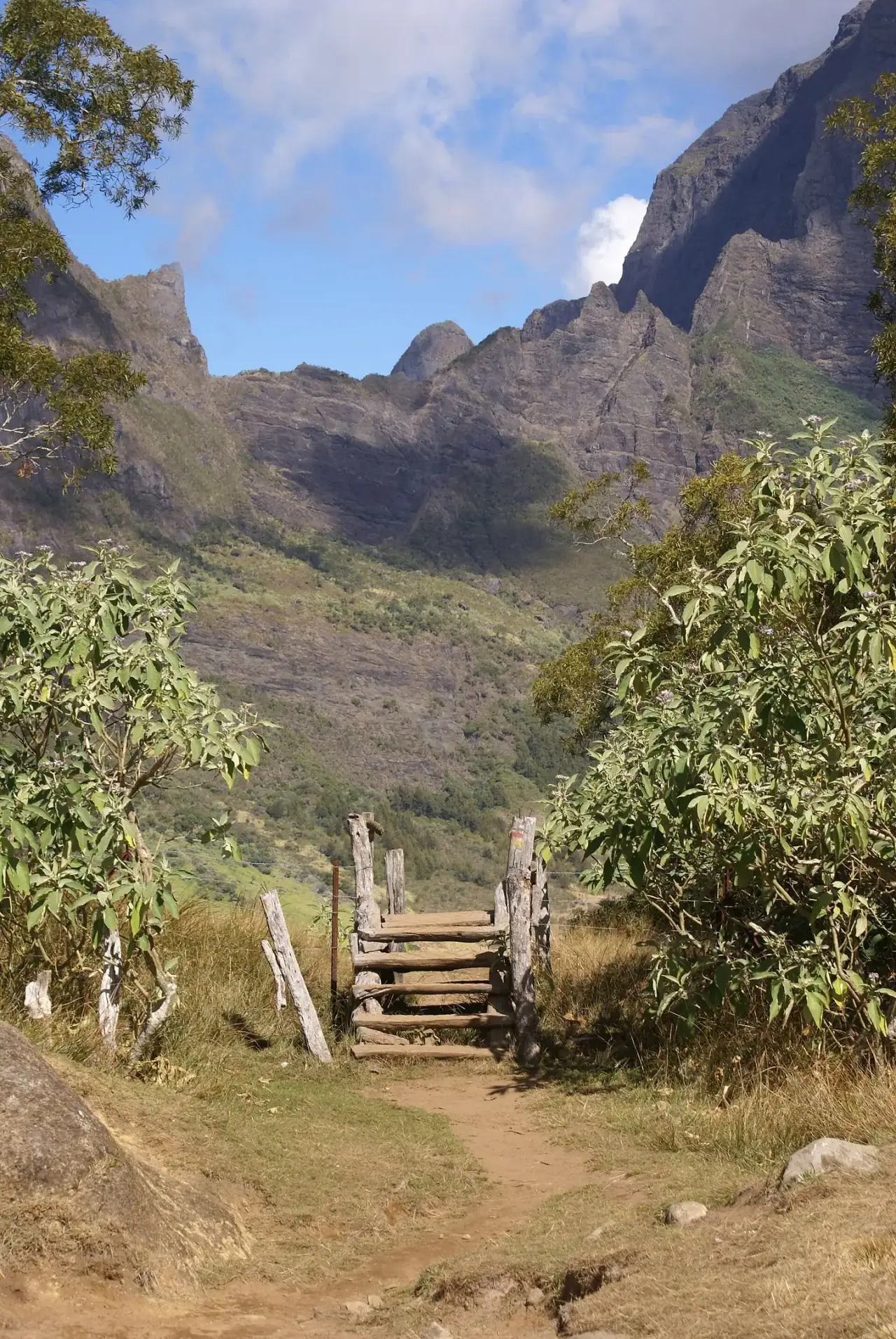
The trail climbs through the forest, then through increasingly low vegetation, up to the refuge at 2,478 metres. Depending on the source and your own pace, allow 3 to 4 hours of climbing for an elevation gain of about 1,100 metres. There are plenty of steps and rocky sections: poles are recommended.
Stage 2: from the refuge to the summit, by night
About 600 metres of elevation gain remain, over scoria and rocks. Most hikers leave the refuge at around 3 a.m., by head torch, to reach the summit before sunrise. Allow around 1 h 30 to 2 hours depending on your fitness. Sunrise time varies with the season: check it the evening before to time your departure.
The way back
You go back down to the refuge for breakfast, then on to Le Bloc. In all, the return trip involves about 1,700 to 1,800 metres of elevation gain: a real mountain outing, for walkers in good shape only. The Piton des Neiges hike page gives full details of the route.
Where to sleep before the ascent?
The Caverne Dufour refuge, now listed as the “refuge du Piton des Neiges” on the island's booking platforms, is the near-essential stop for sunrise. A few things to know:
- Book early, especially during the peak hiking season (roughly May to November) and at weekends. Bookings are made online on the island's booking platform or through the tourist offices.
- Sheets are not provided: bring a sleeping bag or a sleeping-bag liner.
- Dinner is booked at the same time as the night.
- Water may run short at the refuge in the dry season: ask ahead and carry enough to drink.
Another option: sleep in Cilaos the night before and set off from Le Bloc in the middle of the night to do the ascent in one go. It is possible, but much more demanding.
What gear do you need for the summit?
Above 3,000 metres it is cold, especially before dawn. In the southern winter, it often freezes at the summit.
- A head torch with spare batteries.
- Warm layers: fleece, down jacket, waterproof windproof jacket, hat and gloves.
- Good hiking boots with grippy soles.
- At least 2 litres of water per person and something to eat.
- Sun protection: the sun is very strong at altitude as soon as it rises.
- A first-aid kit and a charged phone.
When to climb and what precautions to take?
The dry season, from May to November, generally brings the clearest skies. In the southern summer, rain is more frequent and, during the cyclone season, trails may be closed for several days after an episode; check our Réunion weather page before you go.
- Check that the trail is open with the ONF (French National Forests Office) or the tourist offices.
- Never set off if heavy rain is forecast.
- Tell someone your route.
- At the summit, keep away from the edges, as the ground is unstable.
- Respect the National Park's wildlife and plants: stay on the trail.
Other routes to the summit
Cilaos is not the only gateway. You can also reach the refuge from Hell-Bourg, in the Cirque de Salazie, via the Bélouve forest, or from the Plaine des Cafres via the Coteau Kervéguen, a longer but less steep route. These variants let you put together a fine traverse; for a walking-focused trip, see our 100% hiking trip idea.
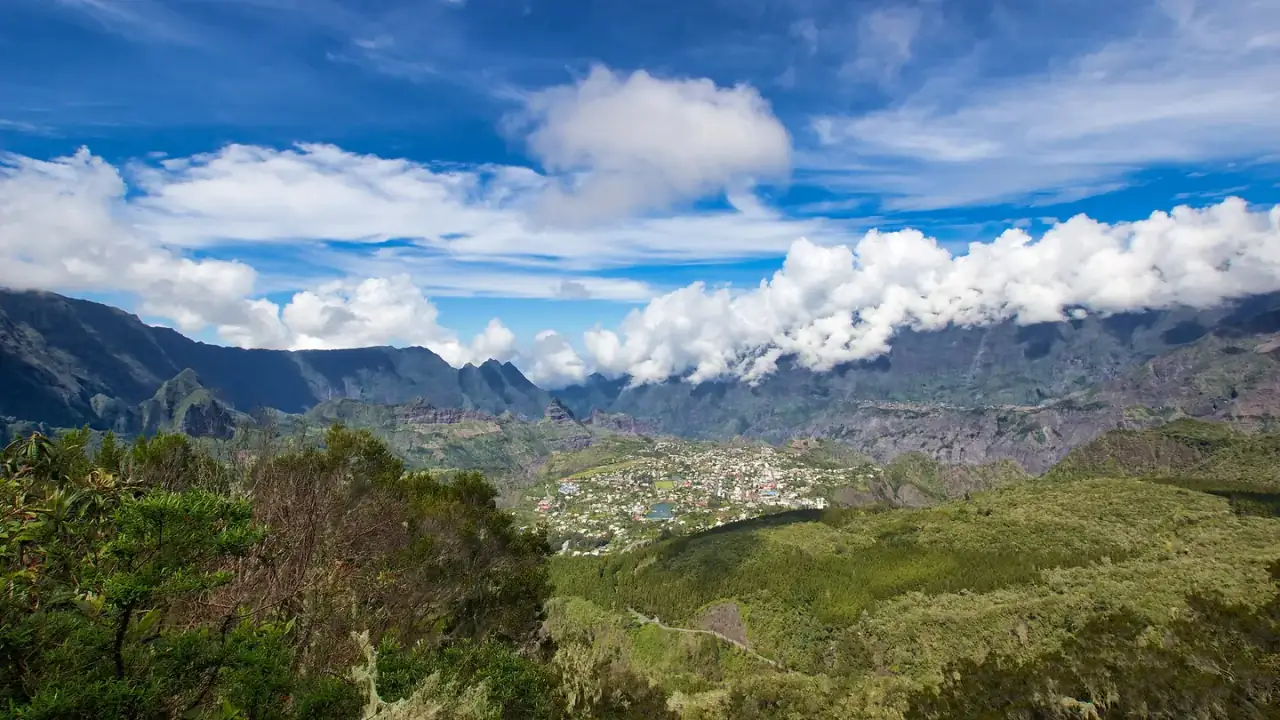
Before or after the ascent, take time to explore the village: our tips on things to do in Cilaos will help you plan your days.
To follow the route and prepare your climb, download the Nout Péi app or explore all our hiking guides.
Frequently asked questions
How long does it take to climb the Piton des Neiges?
From Le Bloc, in Cilaos, allow 3 to 4 hours to the Caverne Dufour refuge, then about 1 h 30 to 2 hours to the summit. Most hikers split the ascent in two with a night at the refuge.
Do you need to book the Caverne Dufour refuge?
Yes, booking in advance is essential, especially in high season and at weekends. It can be done online or through the island's tourist offices; remember to book dinner as well.
Is it cold at the top of the Piton des Neiges?
Yes, very. Before dawn, the temperature can drop below zero, particularly in the southern winter: bring a fleece, down jacket, hat and gloves, even if the day looks set to be hot on the coast.
- Piton des Neiges
- Cilaos
- hiking
- sunrise
- National Park