Culture
The Creole house: architecture and gardens of Réunion
The Creole house (case créole): varangue, lambrequins, shingles and garden. How to recognise Réunion's traditional home and where to see the finest examples.
6 min read
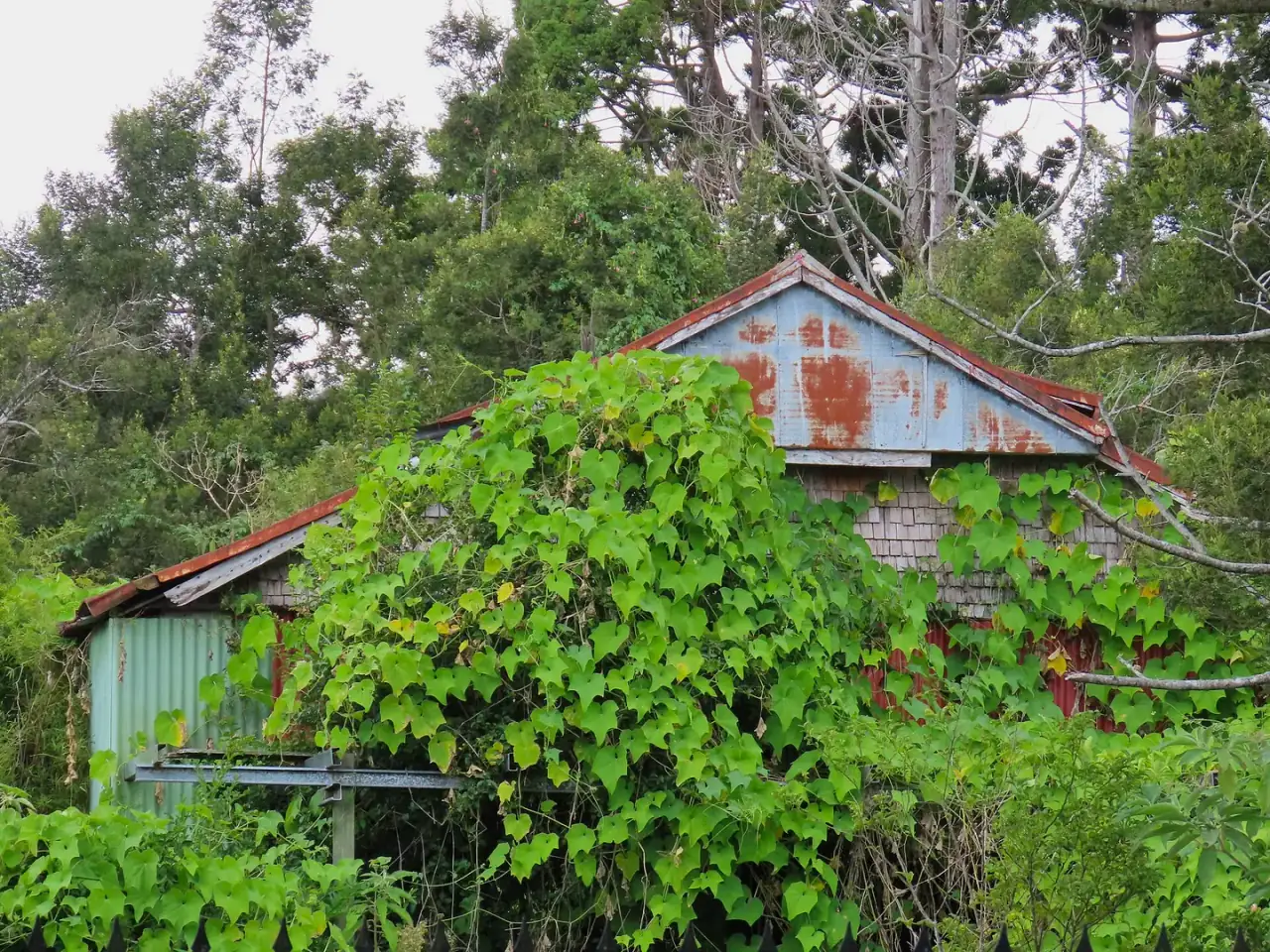
The Creole house (case créole), or “kaz” in Réunion Creole, is the traditional home of Réunion: a wooden or corrugated-iron building opening onto a varangue (veranda), decorated with lambrequins and surrounded by a flower-filled garden. From the grand villas of Rue de Paris to the little houses of the Hauts (the uplands), it tells the story of the island's way of life. Here is how to recognise one, where to see the finest examples and what gives its garden its charm.
What is a Creole house?
The Creole house is the traditional home of France's former colonies, and on Réunion it has become a symbol of the local art of living. The first houses are said to have been built by ship's carpenters, using the island's timber. Their rectangular shape, high roof and use of local materials date back to the first settlers' shelters; the varangue was added later.
Two broad families are often distinguished:
- modest houses, first in wood and later in corrugated iron, still seen in the outlying hamlets and the Hauts;
- large plantation owners' houses and town villas, more symmetrical, sometimes inspired by neoclassicism with columns and pediments, as in Saint-Denis.
Yet all of them share the same logic: protecting against the sun and tropical rain, letting the air circulate and living outdoors as much as indoors.
How to recognise a Creole house?
A few features let you identify a Creole house at first glance:
- the varangue: a covered gallery built into the house, unlike a simple terrace, which juts out in front of the façade. It is the daytime living room, in the shade and open onto the garden;
- the lambrequins: the cut-out wooden or metal friezes that edge the roof. As well as being decorative, they help spread the rainwater running off the roof and limit soil erosion;
- the bardeaux (shingles): small wooden boards, traditionally made of tamarind wood, that cover some façades and sometimes roofs;
- corrugated iron: on most houses today the roof is made of corrugated iron, often painted in bright colours;
- the openings: wooden shutters and louvred jalousies let air through while keeping out the light.
The diamond, circle and star motifs seen on some façades are, according to tradition, meant to ward off evil spirits.
The Creole garden, an extension of the house
You cannot talk about the Creole house without mentioning its garden. At the front, the ornamental garden is on show to the street: flowers, ornamental plants and fruit trees, often in a cheerful, flowery jumble. In the grander houses you sometimes find a guétali, a small open kiosk at the edge of the property, from which people could watch the street go by without being too visible.
At the back, the “déryer” (backyard) brings together the yard, the kitchen, the outbuildings and the space for useful plants and animals. Sometimes there is also a small pavilion house, built apart in the yard. This layout, between the front that is shown off and the back where people live and work, still shapes many Réunion homes.
Where to see fine Creole houses on Réunion?
In Saint-Denis, Rue de Paris
Rue de Paris is home to several grand Creole residences. The Villa Déramond-Barre, at number 15, was built on the eve of the French Revolution; the poet Léon Dierx was born there in 1838, as was Raymond Barre, the future Prime Minister, in 1924. It has been a listed historic monument since 1987. A little further on, the Maison Carrère, home to the northern tourist office, lets you step inside one of these residences: its exhibition describes the life of the street's Creole families, between gardens and backyards. Our walk through Saint-Denis on foot links these addresses.
In Hell-Bourg, in the Cirque de Salazie
Hell-Bourg, ranked among the “most beautiful villages in France”, is famous for its colourful houses. In the centre of the village, the Maison Folio, a 19th-century villa listed as a historic monument since 1989, can be visited along with its garden of medicinal plants, orchids and tree ferns. To plan your day, read our guide to Salazie and Hell-Bourg.
In L'Entre-Deux and the Hauts
The village of L'Entre-Deux, in the South, has many Creole houses, some carefully maintained, others sadly abandoned. In the island's Hauts, around a bend on the roads of Bois-Court or La Plaine-des-Palmistes, you still come across old corrugated-iron and shingle houses half hidden by vegetation.
How to respect the houses during a visit?
Most Creole houses are lived in. To admire them without intruding:
- take photos from the street and don't go through gates unless invited;
- favour houses open to the public, such as the Maison Folio or the residences on Rue de Paris;
- make the most of the European Heritage Days in September, when some private residences open their doors;
- support this heritage by staying in a restored house turned into a guest house or gîte: our where to stay on Réunion section lists several.
A living and fragile heritage
Creole houses suffer from the climate, termites and cyclones, and maintaining them is expensive. The Maison Folio was in fact selected in 2018 by the Loto du patrimoine (France's heritage lottery) as heritage at risk. Restoring a house properly, with the right timber and the right techniques, remains a precious skill. To discover other monuments, browse the Réunion heritage section.
To find Creole houses, villages and monuments to visit near you, download the Nout Péi app or explore the website.
Frequently asked questions
What is a varangue in a Creole house?
The varangue is a covered gallery built into the Creole house, serving as a shaded living room open onto the garden. It differs from a terrace, which juts out in front of the façade.
What are lambrequins for?
Lambrequins are cut-out wooden or metal friezes edging the roof. As well as being decorative, they help spread the rainwater running off the roof and limit soil erosion.
Where can you visit a Creole house on Réunion?
The Maison Folio in Hell-Bourg can be visited with its garden, and Rue de Paris in Saint-Denis has several grand Creole residences, including the Maison Carrère. L'Entre-Deux and Hell-Bourg are also two villages where it is lovely to stroll past the houses.
- Creole house
- architecture
- heritage
- Hell-Bourg
- Saint-Denis