Culture
Dipavali in Réunion: the festival of lights in Saint-André
Dipavali in Réunion: the Tamil origins of the festival of lights, Saint-André’s 2026 programme from 13 to 15 November, the parade of floats and practical tips.
6 min read
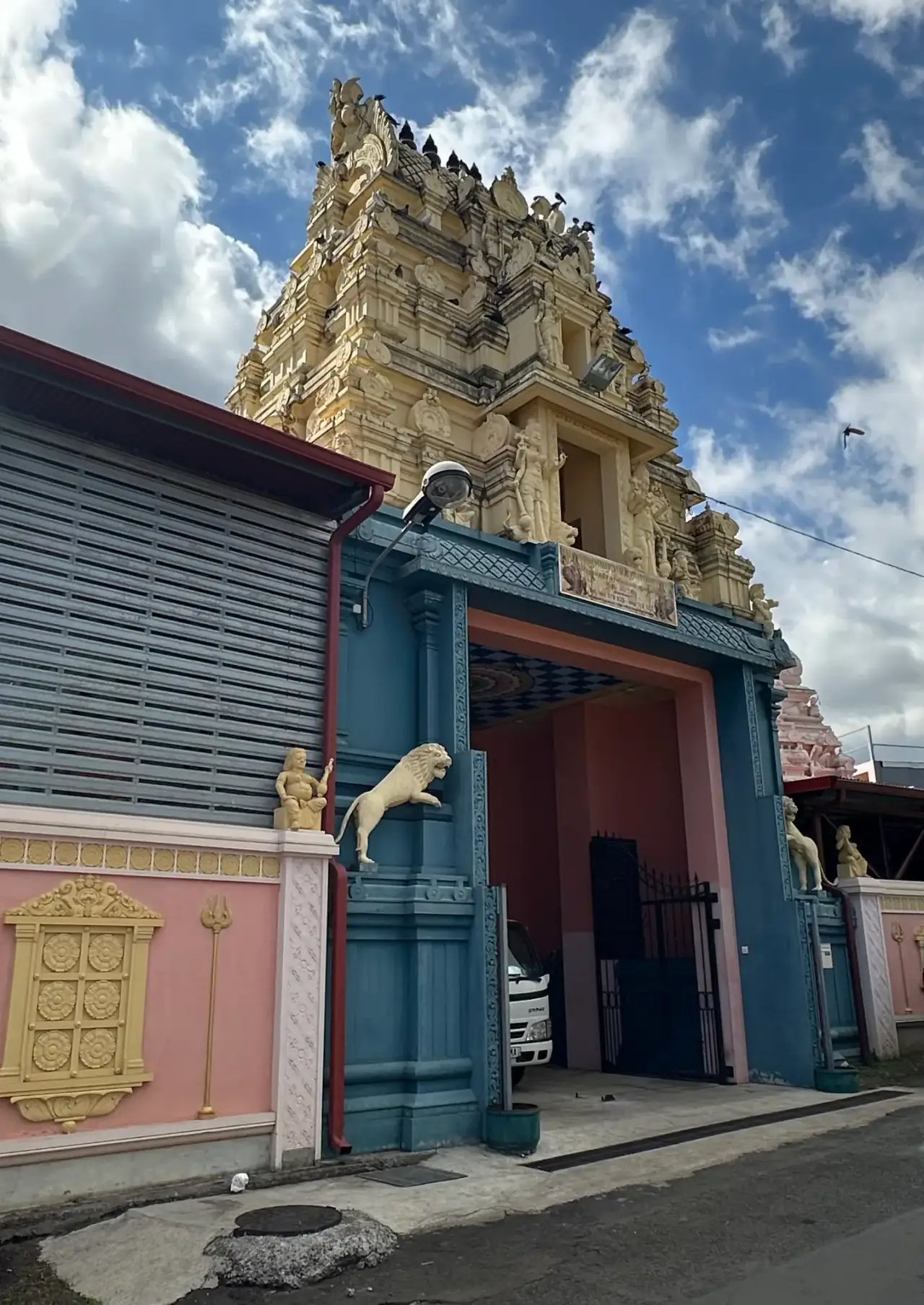
Dipavali is the festival of lights of the Hindu community of Tamil origin, and in Réunion it has become one of the great events of the year. In 2026, the religious festival fell on Sunday 8 November, and Saint-André hosts its public celebrations from Friday 13 to Sunday 15 November. Here are the origins of Dipavali in Réunion, the programme for this edition and tips for attending.
What is Dipavali?
Dipavali, known as Diwali in northern India, is one of the major festivals of Hinduism. Its name means “row of lights”. It celebrates the victory of good over evil and of light over darkness. Interviewed by Réunion la 1ère, Jean-Luc Amaravady, president of the Fédération tamoule (Tamil Federation), sums it up as “the victory of knowledge over ignorance”.
The stories vary across the regions of India:
- in the south, the cradle of Tamil tradition, the festival commemorates Krishna’s victory over the demon Narakasura;
- in the north, it marks the return of Rama and Sita to Ayodhya after their exile;
- everywhere, it also honours Lakshmi, goddess of prosperity.
The date follows the Hindu lunar calendar and falls each year between late October and mid-November.
Why is Dipavali celebrated in Réunion?
The festival’s presence on the island is linked to the history of its settlement. After slavery was abolished in 1848, tens of thousands of contract workers, largely from southern India, were recruited for the sugar cane plantations: this was the system of indentured labour (engagisme). Their descendants, often called Malbars (Réunionese of Tamil origin), preserved their religion, their temples and their festivals, from the Tamil New Year to fire-walking and Cavadee.
Long celebrated privately within families and temples, Dipavali took to the streets at the end of the 20th century. According to Réunion la 1ère, the first public celebrations took place in Saint-André in 1990, already with several thousand participants. The festival then spread to many towns. To learn more about this history, see our page on Indian migration to Réunion or our article on indentured labour after 1848.
How is the festival celebrated in families?
On the day of Dipavali itself, rituals are held in the morning at home or at the temple, then the afternoon is devoted to visiting elders, according to Réunion la 1ère. Houses and yards light up with oil lamps and strings of lights. People wear new or festive clothes, and families share the Indian sweets prepared for the occasion.
Dipavali is also a time of openness: the public celebrations welcome all Réunion islanders, whatever their religion.
This blend of religious fervour and popular celebration is a fine illustration of how Réunion’s communities live together: people come to watch the parade with their families and neighbours, whether Hindu, Catholic, Muslim or of no religion.
Dipavali Réunion 2026: the Saint-André programme
Saint-André, in the east, is the capital of Dipavali. According to the town hall and Imaz Press, the 37th edition takes place from Friday 13 to Sunday 15 November 2026, on the theme “The future is written in light”. The festivities are free.
- Friday 13 November: opening of the Indian Méla (fair) at the Parc du Colosse from 10 am, with crafts, food and entertainment. Imaz Press announces more than 60 exhibitors. In the evening, associations and dance schools take turns on the stage.
- Saturday 14 November: grand parade from 6 pm along the Avenue de la République, with more than 2,500 participants, over 100 associations and floats, ending at the Sarda-Garriga stadium. Dance show in the evening, then fireworks at 10 pm.
- Sunday 15 November: Holi festival at the Parc du Colosse, with a drum parade in the morning, children’s activities and throwing of coloured powders in the afternoon.
Imaz Press also mentions exhibitions about India at the Saint-André media library, from 14 to 27 November. The detailed programme is published on the Saint-André town hall website.
Where else to celebrate Dipavali on the island
Saint-André is not the only town celebrating. According to Réunion la 1ère, the 2026 edition also includes:
- Saint-Pierre: festivities on 14 and 15 November on the seafront;
- Saint-Paul: a Dipavali village on the market square from 10 November, a parade from the town hall forecourt and free temple visits, by reservation, on 14 November;
- Saint-Leu: events in the Piton and Portail neighbourhoods, with a parade on the evening of Friday 13 November;
- Saint-Louis: a parade followed by a show on the esplanade of the ZAC Avenir.
As dates change every year, keep an eye on our events calendar.
Practical tips for watching the parade
The Saint-André parade draws large crowds. A few tips to make the most of it:
- Arrive early to find a spot along the route. Imaz Press mentions several free car parks in the town centre, including those at the Ancienne Poste, the media library and the Jean-Perrin secondary school.
- Bring water: November marks the start of the southern summer and it stays hot in the evening.
- Respect the rites: if you visit a temple, take off your shoes, cover your shoulders and ask before photographing a ceremony.
- Try the food at the Méla stalls: it is a chance to discover the island’s Indian and Tamil specialities.
Make the most of your visit to discover the Colosse temple, one of Saint-André’s emblematic Tamil places of worship. Find all the island’s festivals and places of worship in the Nout Péi app, and download it so you don’t miss a thing.
Frequently asked questions
When is Dipavali in Réunion in 2026?
The religious festival of Dipavali fell on Sunday 8 November 2026. The big public celebrations in Saint-André take place from Friday 13 to Sunday 15 November 2026, with the parade on Saturday 14 November from 6 pm.
Is the Dipavali parade free?
Yes, the Saint-André festivities are free and open to all, as is the Indian Méla at the Parc du Colosse. Just find a spot along the route, on the Avenue de la République.
What is the difference between Dipavali and Diwali?
They are the same festival of lights. Dipavali, or Deepavali, is the name used in southern India and by communities of Tamil origin, as in Réunion. Diwali is the usual form in northern India.
- Dipavali
- Tamil culture
- Saint-André
- festivals
- Hinduism