Nature
Endemic birds of Réunion: tuit-tuit, tec-tec and papangue
Endemic birds of Réunion Island: tuit-tuit, tec-tec, oiseau la Vierge, papangue, Barau’s petrel. Where to see them and how to protect them on the island.
6 min read
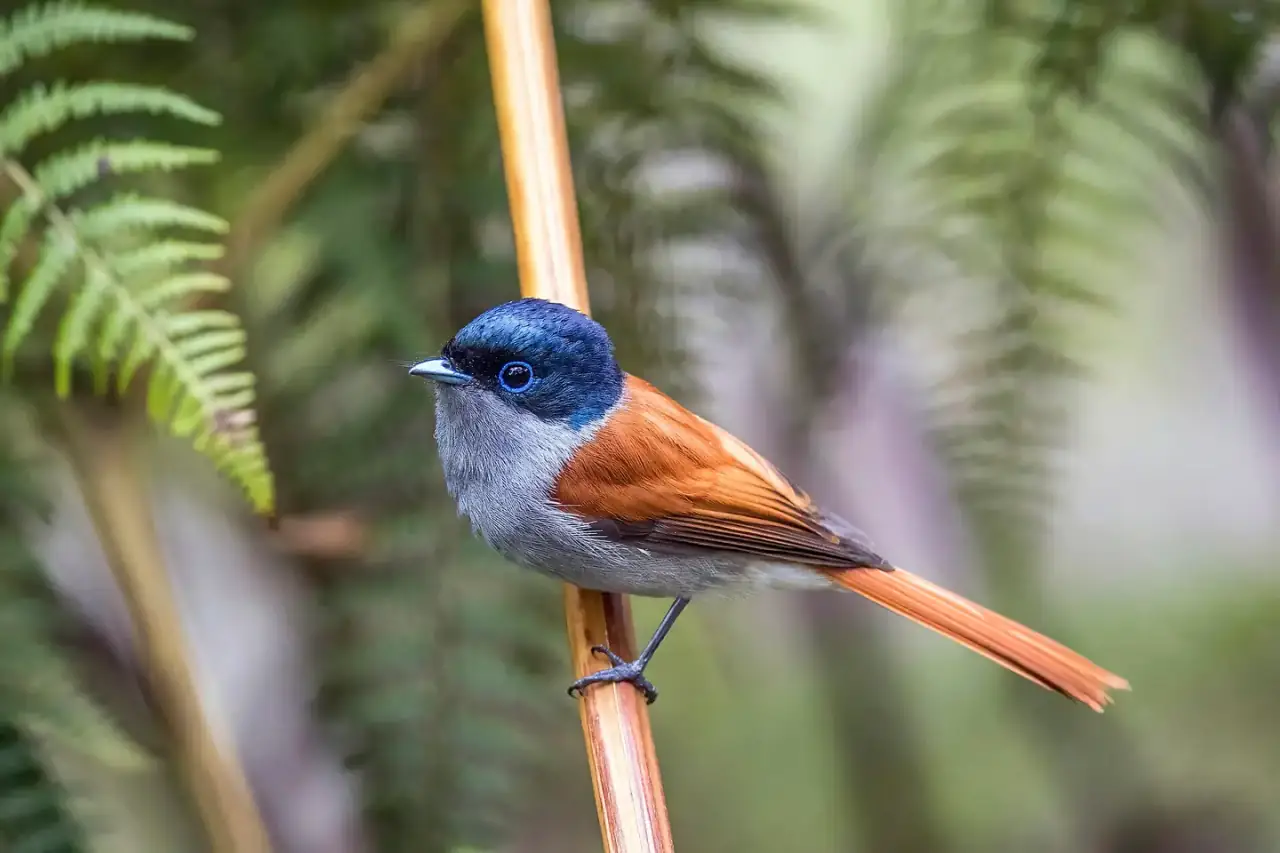
Réunion’s endemic birds exist nowhere else on the planet: the tuit-tuit, the tec-tec, the oiseau la Vierge, the papangue and Barau’s petrel are the result of hundreds of thousands of years of isolation in the middle of the Indian Ocean. Here is how to recognise them, where to watch them and why several of them are now under threat.
Why are Réunion’s endemic birds unique?
A species is described as endemic when it lives naturally only in one specific area. Born from a volcano that rose out of the ocean, the island has never been connected to a continent: the birds that colonised it, carried by the winds or flying under their own steam from Madagascar and Africa, evolved separately until they became species found only on the island.
Part of this heritage disappeared after humans arrived, through hunting, land clearance and the introduction of rats and cats. What remains is all the more precious. The forests of the Hauts (the uplands), now largely within the core of Réunion National Park, are a refuge for most species. To understand these habitats, our Réunion’s nature page presents the island’s main ecosystems.
The tuit-tuit, the island’s rarest bird
The Réunion cuckooshrike, which everyone calls the tuit-tuit after its song, is probably the most fragile of Réunion’s endemic birds. Listed as “critically endangered” by the IUCN, it survives in just one area of upland forest, between La Possession and Saint-Denis, around the Roche Écrite. In 2026 the National Park reports around fifty known pairs over some 2,200 hectares.
The population has come back from the brink: there were only a handful of pairs in the early 2000s. According to Outremers 360, the number of pairs recorded rose from 37 in 2018 to 55 in 2023, thanks in particular to the control of the rats and cats that raid the nests. The male is dark grey, the female browner and striped underneath. If you hike towards the Roche Écrite, stay on the trails and do not try to approach the nests.
Tec-tec, oiseau la Vierge, merle péi: hiking companions
Other species are much easier to come across, to the delight of walkers.
The tec-tec
The Réunion stonechat also owes its Creole name to its sharp call. Small, round and curious, the tec-tec often perches on a low branch beside the trails of the Hauts, from the Bélouve forest to the surroundings of the volcano. The male has a dark head and a pale breast; the female is duller.
The oiseau la Vierge
The Mascarene paradise flycatcher, nicknamed the oiseau la Vierge (“bird of the Virgin”), is a small flycatcher with a rufous back and a dark head, with a slight crest. The subspecies found here is unique to the island. You can hear it in the humid forests as well as in some gardens in the Hauts.
The merle péi, the zoizo blanc and the oiseau vert
The Réunion bulbul, called the merle péi (local blackbird), is recognisable by its yellow-orange bill and its whistles. Two endemic white-eyes complete the picture: the zoizo blanc (Réunion grey white-eye), very common even in gardens, and the oiseau vert (Réunion olive white-eye), more discreet, which feeds on forest flowers.
The papangue, Réunion’s only breeding bird of prey
The Réunion harrier, known to all as the papangue, is the only bird of prey that breeds on the island. You can see it gliding over the ravines and pastures, wings raised in a V. The adult male is grey and white; young birds and females are dark brown.
Estimates of its population vary, between a hundred and about two hundred pairs depending on the study. The species is classified as endangered and benefits from a 2022-2031 national action plan, led notably by the SEOR (Société d’études ornithologiques de La Réunion, Réunion’s ornithological society). Its threats: collisions with and electrocution on power lines, poisoning and disturbance of nests.
Where to see Réunion’s endemic birds
Your best chances are in mid- and high-altitude forests, early in the morning, when the birds sing the most.
- Bélouve and Bébour forests: tec-tec, oiseau la Vierge, merle péi and white-eyes are frequent. The Bélouve forest hike to the Trou de Fer is ideal.
- Plaine des Chicots and Roche Écrite: tuit-tuit territory, to be approached discreetly.
- Volcano road and Maïdo: the tec-tecs here are often quite tame.
- Ravines and slopes of the west and south: good terrain for watching the papangue glide.
For a guided outing, the birdwatching page gathers practical advice. Bring binoculars, neutral-coloured clothing and plenty of patience.
Barau’s petrel, the seabird that nests on the island’s summits
Among Réunion’s endemic birds, Barau’s petrel has a remarkable way of life: it spends most of the year at sea but nests in burrows on the highest summits, around the Piton des Neiges. It has been listed as “endangered” by the IUCN since 2000 and protected since 1989. Its cousin, the Mascarene petrel, is far rarer still.
Every year in April, on their first flight, many young petrels are disoriented by city lights and crash to the ground. The SEOR then organises the “Nuits sans lumière” (Nights without light) campaign, with the voluntary switching-off of public lighting; the 2025 edition ran from 11 April to 7 May. If you find a seabird on the ground, place it in a ventilated cardboard box, without feeding it, and contact the SEOR.
How can you help the island’s birds?
Everyone can do their bit, whether you live on the island or are just passing through:
- Stay on waymarked trails and do not disturb nests.
- Do not feed wild birds.
- Keep your cat indoors at night and have it neutered.
- Reduce outdoor lighting, especially in April.
- Report an injured or grounded bird to the SEOR.
To keep discovering the island’s fragile species, also read our article on the Manapany day gecko.
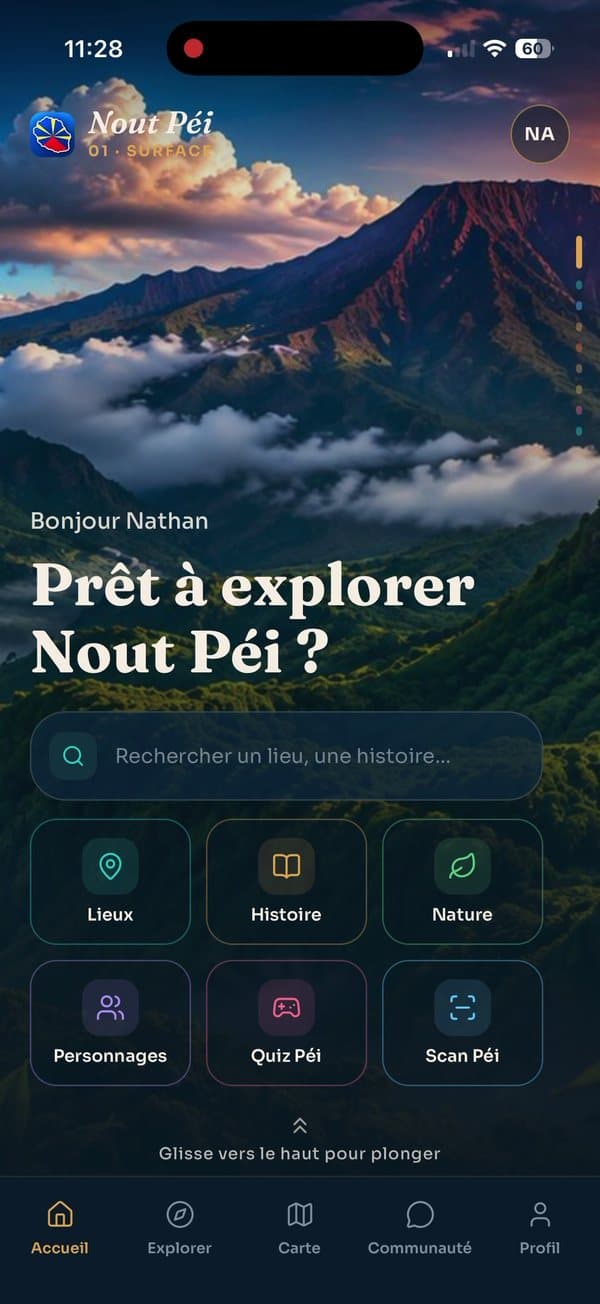
Want to recognise these birds in the field? Download the Nout Péi app or explore Réunion’s hikes to plan your nature outings.
Frequently asked questions
What is the rarest bird in Réunion?
The tuit-tuit (Réunion cuckooshrike) is among the island’s rarest birds, with around fifty known pairs in 2026. It lives only in one area of upland forest between La Possession and Saint-Denis. The Mascarene petrel, a seabird, is also extremely rare.
Why is the Réunion harrier called “papangue”?
Papangue is the everyday Creole name for the Réunion harrier, the only bird of prey that breeds in Réunion. It is by this name that Réunion islanders have known it for generations. The species is protected and classified as endangered.
What should I do if I find a grounded petrel?
Place the bird in a cardboard box with holes in it, somewhere quiet, without giving it anything to drink or eat. Then contact the SEOR, which collects and cares for grounded seabirds. Most are released after a check-up.
- birds
- biodiversity
- protected species
- National Park
- Hauts de La Réunion