History
Indenture on Réunion: the story of the engagés
Indentured labour on Réunion after 1848: the origins of the Indian, African and Chinese engagés, their living conditions, the Grande Chaloupe quarantine station and their legacy.
6 min read
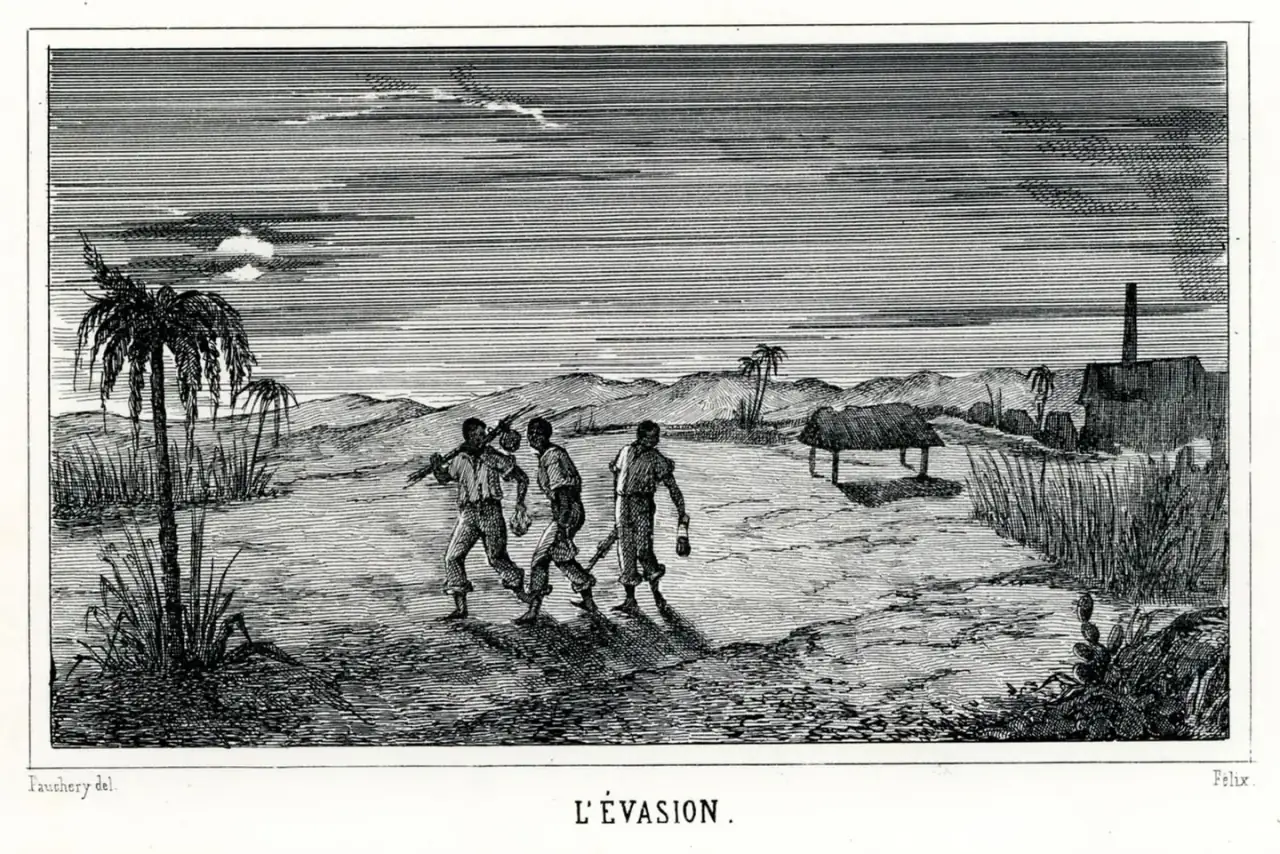
Engagisme (indenture) is the system that, after the abolition of slavery in 1848, brought tens of thousands of contract workers to Réunion, mostly from India but also from Africa, Madagascar, the Comoros and China. Promised wages and a passage home, many lived through very harsh conditions and stayed on the island. Their story explains much of the diverse face of Réunionese society.
What was indenture on Réunion?
The engagé was a foreign worker who came to the colony under an indenture contract, usually for five years and renewable, in the service of an “engagiste”, most often a landowner. On paper, the contract provided for six days' work a week, wages, food rations and medical care, as well as repatriation at the end of the indenture.
The system existed on Réunion from the second quarter of the 19th century to the second quarter of the 20th. The first attempts at Indian immigration date from 1828, but abuses led to their suspension in 1839. It was after 1848 that indenture took off on a large scale. The site's indenture on Réunion page sets out its main stages.
Why did indenture follow the abolition of 1848?
On 20 December 1848, the abolition of slavery was proclaimed on Réunion by the Commissioner of the Republic, Sarda Garriga. The owners of the sugar plantations, who depended on enslaved labour, then looked for a large, cheap workforce. Many former slaves refused to go back to work on the estates. To understand this turning point, read our article on Sarda Garriga and the abolition of 1848 and the abolition of slavery page.
The answer of the planters and the colonial administration was contract immigration. According to the Musées de La Réunion, in December 1848 the ship Le Mahé de Labourdonnais landed around 500 Indian engagés from Pondicherry and Karikal, opening the largest period of recruitment.
Where did the engagés come from?
India, the main place of departure
Indians were by far the largest group. Their immigration took place in three phases:
- 1828-1839: a first wave of immigration, quickly suspended because of abuses;
- 1848-1860: immigration supervised by the administration; according to Wikipedia, more than 47,000 engagés arrived during this period;
- 1860-1882: immigration regulated by the Franco-British conventions of 1860 and 1861, which allowed recruitment in British India, notably through Madras and Calcutta, in addition to the French trading posts.
Many of these engagés came from the Tamil country. Their descendants, often called Malbars (Réunion islanders of Tamil descent), passed on their temples, festivals and rites to the island. The Indian migration page details these origins.
Africa, Madagascar, the Comoros and China
Indenture did not only involve India. Engagés also came from East Africa, Madagascar and the Comoros. Between 1880 and 1900, around 3,000 Mozambicans and a thousand Chinese or Tonkinese workers were recruited. As early as 1844, Chinese workers from Malaysia had been indentured, but they rebelled against their working conditions and this recruitment soon stopped. After 1918, people from Rodrigues and Antandroy from southern Madagascar still arrived. Chinese arrivals, largely free, are described on the Chinese migration page.
What were the engagés' living conditions?
The gap between the promises of the contract and reality was often immense. Historians describe working conditions close to those of slavery on many estates:
- exhausting days in the cane fields and sugar factories;
- deductions from wages for absence, illness or alleged misconduct;
- debts that bound the engagé to their employer;
- rare and late repatriations, despite the contract clauses.
At the end of their contract, many engagés had neither the means nor the opportunity to leave. Some became sharecroppers (colons partiaires), farming land in return for a share of the harvest; others settled as smallholders, shopkeepers or craftsmen.
The Grande Chaloupe quarantine station, the engagés' gateway
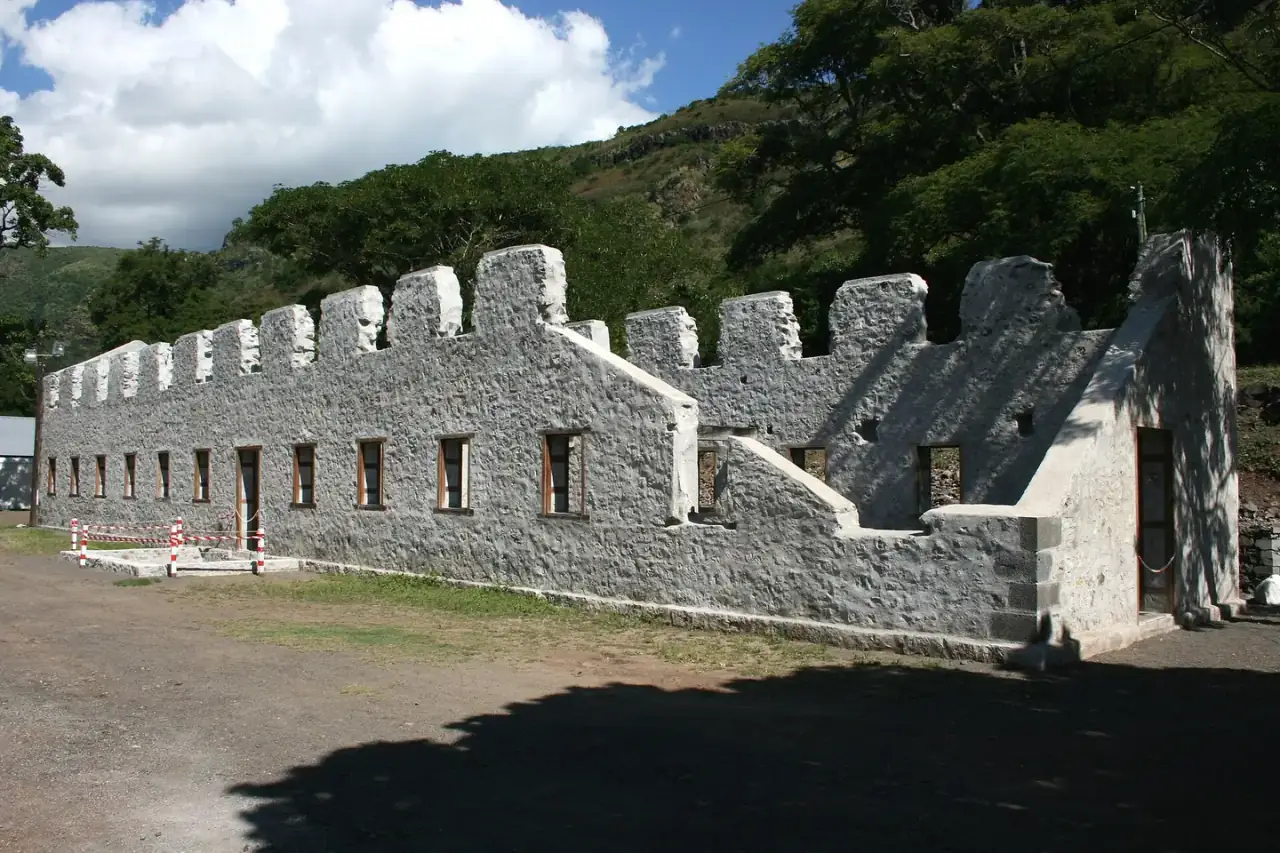
On arrival, the engagés were placed in quarantine to protect the island from epidemics. Between Saint-Denis and La Possession, the Grande Chaloupe lazarets (quarantine stations) were built between 1861 and 1865: Lazaret No. 1, with its stone buildings and cemetery, and Lazaret No. 2, about 1.7 km away. They closed around 1935-1936 and have been listed historic monuments since 1998, according to the Mérimée database of the French Ministry of Culture.
Every 11 November, the date on which Indian immigration was banned in 1882, a tribute to the indentured labourers is held there with the Département and various associations, including the Fédération tamoule de La Réunion. The last convoy of Indian engagés, the Marguerite, landed on 2 February 1885. Recruitment nonetheless resumed occasionally between the end of the 19th century and the beginning of the 20th.
Indenture was not simply an extension of slavery, but it kept many of its features: it was in this grey area that part of Réunionese society was built.
What legacy did indenture leave?
The imprint of indenture can be seen all over the island. Tamil temples, such as the Colosse temple in Saint-André, Cavadee processions, fire-walking and the festival of lights are living testimonies: our article on Dipavali, the festival of lights tells one example. Carri (Creole curry), spices and massalé (a local spice blend) also owe a great deal to these contributions.
Above all, indenture contributed to the mixing of cultures that makes Réunion what it is today: families of Indian, African, Malagasy, Comorian and Chinese origin blended their languages, cuisines and beliefs with those of the descendants of slaves and settlers. To understand indenture is to understand why the island speaks of itself as a plural people.
To explore the island's history, its places of remembrance and its notable figures, download the Nout Péi app or explore the website.
Frequently asked questions
What is the difference between slavery and indenture?
A slave was legally the property of their master, with no wages and no rights. The engagé, on the other hand, signed a fixed-term work contract with wages and a promised return home. In practice, abuses, debts and deductions often made their condition very hard.
When did Indian indenture end on Réunion?
Indian immigration to Réunion was banned on 11 November 1882, and the last convoy, the Marguerite, arrived on 2 February 1885. Other recruitment, from Africa, Madagascar or Rodrigues, continued until the early 20th century.
Can you visit the Grande Chaloupe quarantine station?
Yes, the site of the Grande Chaloupe lazarets, between Saint-Denis and La Possession, is open to visitors and hosts a tribute to the indentured labourers every 11 November. Check opening times before you go.
- indenture
- history
- Indian engagés
- quarantine station
- abolition 1848